
Review · SINGAPORE MUSEUM TICKETS
Singapore: Hell’s Museum Admission Ticket
Hell’s Museum asks a question most museums sidestep: what happens after death? Its most striking subject is Haw Par Villa’s 10 Courts of Hell, where graphic scenes of sins and punishments offer a vivid window into ideas about morality and the afterlife.
I like two things here: the museum puts different belief systems side by side, so you can compare how people make sense of death; and its 3,800 square metres give the subject room to breathe, with interactive elements to make the visit more than a wall of text.
The main caution is tone. Some depictions are gruesome, and the museum says it is not recommended for children under 9. Give yourself 2 to 4 hours, and remember that admission is non-refundable.
- The 10 Courts of Hell connect moral choices with graphic punishments, and help explain the cultural meaning of this famous Haw Par Villa subject.
- Comparative displays look at how major belief systems understand death and the afterlife.
- A substantial visit covers 3,800 square metres, so you can spend a couple of hours or stay longer until closing.
- Interactive elements add ways to engage with the museum’s educational content.
- Age matters: children 6 and under enter free, but the museum is not recommended for children under 9.
A museum about the questions people rarely ask
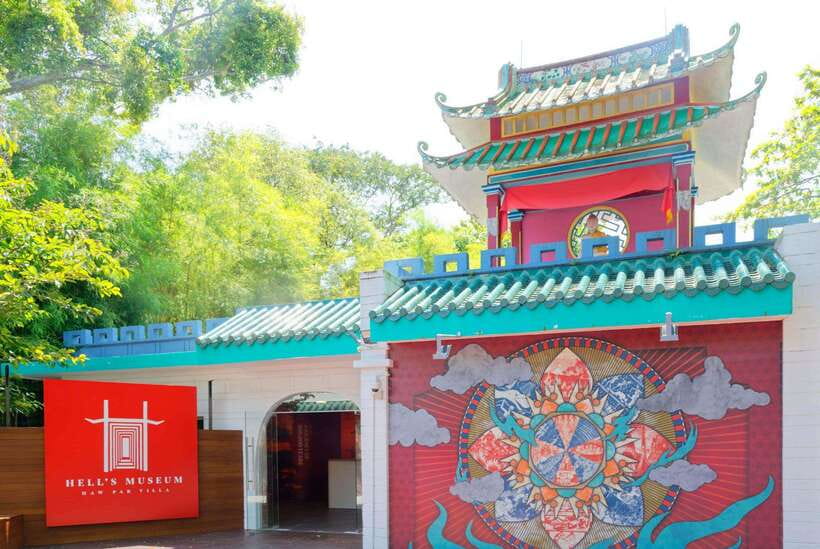
Hell’s Museum is not simply a collection of gruesome scenes. Its subject is the way people and communities explain death, judge conduct, and imagine what comes after life. That broad frame makes the visit useful even if you arrive knowing little about Haw Par Villa or the 10 Courts of Hell.
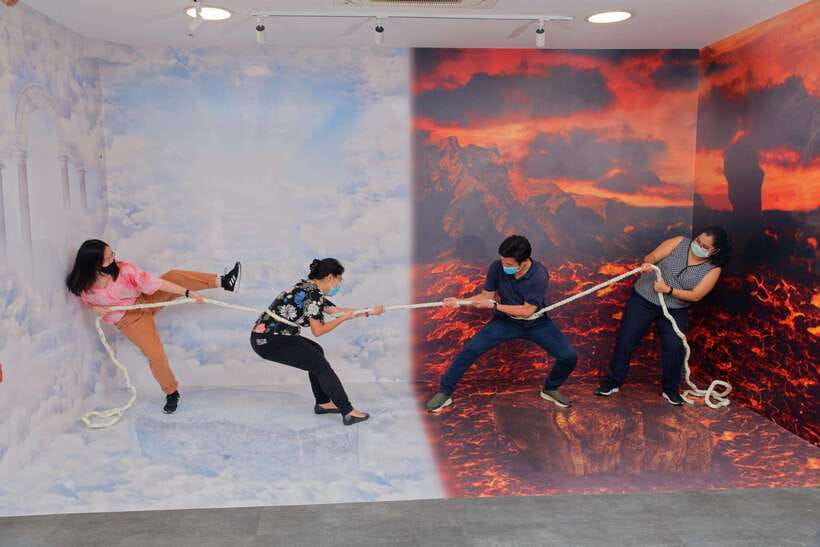
The displays offer comparative insight into major belief systems. Instead of treating one tradition as the answer, the museum looks at commonalities and differences in how people around the world, including in Singapore, find meaning in death and dying. You can follow the ideas that matter to you, whether that is religion, history, morality, or the way societies teach right and wrong.
The scale helps. With 3,800 square metres of content, this is not a quick corridor of exhibits to rush through on the way to something else. You have room to pause over an idea, compare it with another, and decide how much time to give the graphic material.
Starting with different views of death
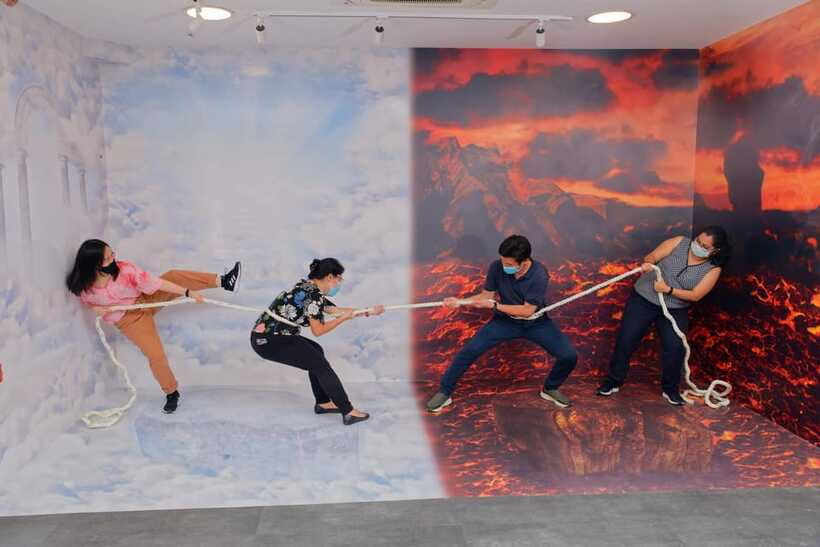
The museum’s broadest value comes from placing beliefs in conversation with one another. Death is universal, but the explanations and rituals surrounding it are shaped by culture and faith. The displays give you a way to consider those shared concerns without assuming that every tradition tells the same story.
I would approach this section with curiosity rather than a checklist. Notice where beliefs share themes, then pay attention to where they diverge. The museum is especially suited to visitors who like asking why a community imagines an afterlife in a particular way, and what those ideas say about its values in this life.
This comparative approach is also what makes the visit work for mixed-age families and groups with different interests. One person may be drawn to religious ideas, another to cultural history, and someone else to the moral questions. The subject gives each of you a point of entry, though the graphic imagery may not suit every member of the group.
More museum visits around Singapore:
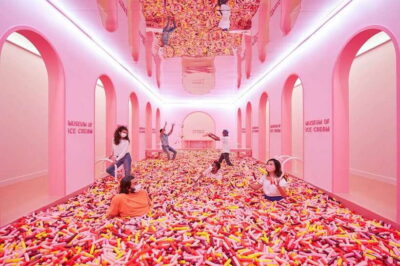
- Singapore: Museum of Ice Cream Entrance Ticket
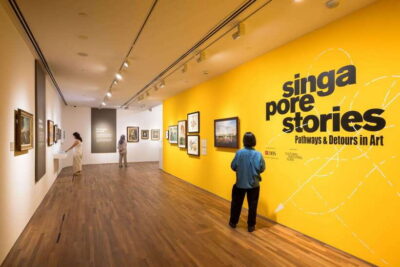
★ 4.3 · 225 reviews - Singapore: National Gallery Singapore Admission Ticket
★ 4.3 · 159 reviews - Singapore ArtScience Museum Admission Ticket
★ 3.5 · 25 reviews
Understanding Haw Par Villa’s 10 Courts of Hell
The 10 Courts of Hell are the museum’s most immediately arresting subject. They present a system of judgment in which sins and punishments are made visible. The scenes can be graphic, but their purpose is more than shock: they express cultural ideas about morality, consequence, and what happens after death.
That context matters. If you look only at the punishments, the displays can feel like a parade of grim images. Consider instead what the scenes are meant to communicate, and why a community might use such powerful depictions to teach ideas about conduct. The museum connects these images with the wider history of how views of the afterlife developed.
The 10 Courts have an especially strong link to Haw Par Villa’s cultural significance. The museum helps you see the subject as part of a larger story about how people have explained justice beyond this life. If this is the part you came for, leave time to read and reflect rather than treating it as a quick photo stop.
Ancient ideas, changing images
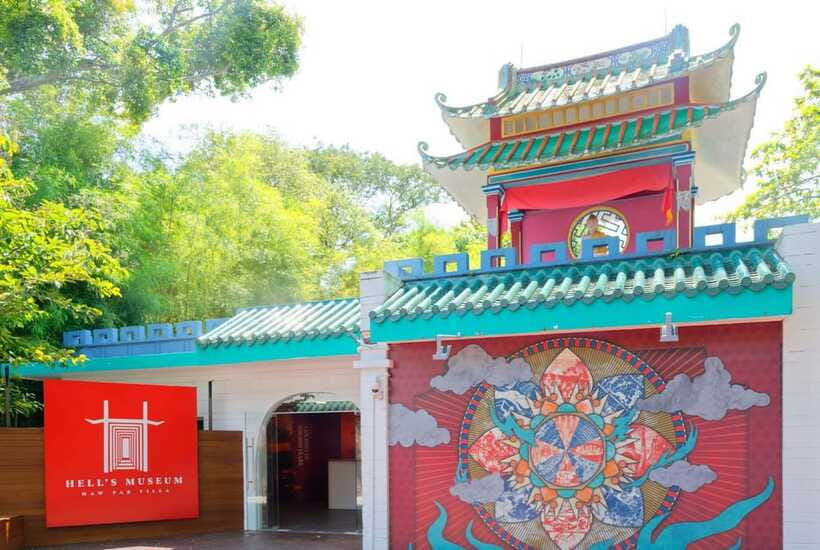
Hell’s Museum also looks at how ancient civilizations shared their cultural perspectives on the afterlife, and how depictions of sins and punishments changed over time. That historical thread gives the displays more depth than a simple catalogue of frightening scenes.
You can use it to think about how an image does two jobs at once: it depicts a possible fate, and it teaches the living what a society considers wrong. Changes in those depictions can point to shifts in how people express morality and imagine the world beyond death. The museum’s focus on evolution over time gives you a reason to compare, not just observe.
The subject is unusual, but the questions are familiar. What counts as wrongdoing? How should it be judged? What does a community hope people will learn from its ideas about consequences? Those are the questions that make the exhibits worth your attention, even if you would normally skip a museum focused on the afterlife.
How to pace a 2 to 4 hour visit
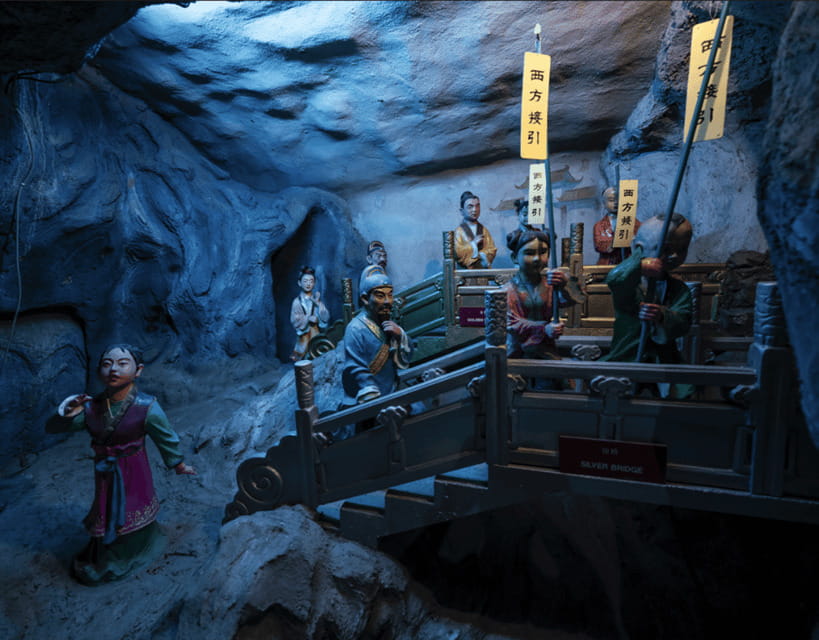
Your ticket is valid for one day and gives you access up to closing time. The estimated visit is 2 to 4 hours, depending on your interest level. That range is useful: you can make this a focused morning visit or take more time with the displays and interactive elements.
I would not set a strict pace before you arrive. The subject can prompt questions and comparisons, and reading closely will take longer than walking through the rooms. If you are visiting with children or anyone who finds graphic material difficult, allow room to pause or move on when needed.
The museum is an indoor visit focused on displays and interpretation, so your time is shaped chiefly by how much you want to read and consider. There is no fixed duration beyond the ticket’s access until closing. That flexibility is part of the value, especially if you want to take the exhibits at a thoughtful pace rather than hurry through.
A few more Singapore tours around Singapore worth a look
- Singapore: Gardens by the Bay Bundle Entry Ticket
★ 4.3 · 3,726 reviews - Singapore: Singapore Flyer Entry Ticket
★ 4.7 · 907 reviews - Singapore: Sentosa Wings of Time Fireworks Symphony Ticket
★ 4.3 · 321 reviews - Singapore: Skyline Luge Sentosa Entry Ticket
★ 4.6 · 190 reviews
Interactive elements and the value of interpretation
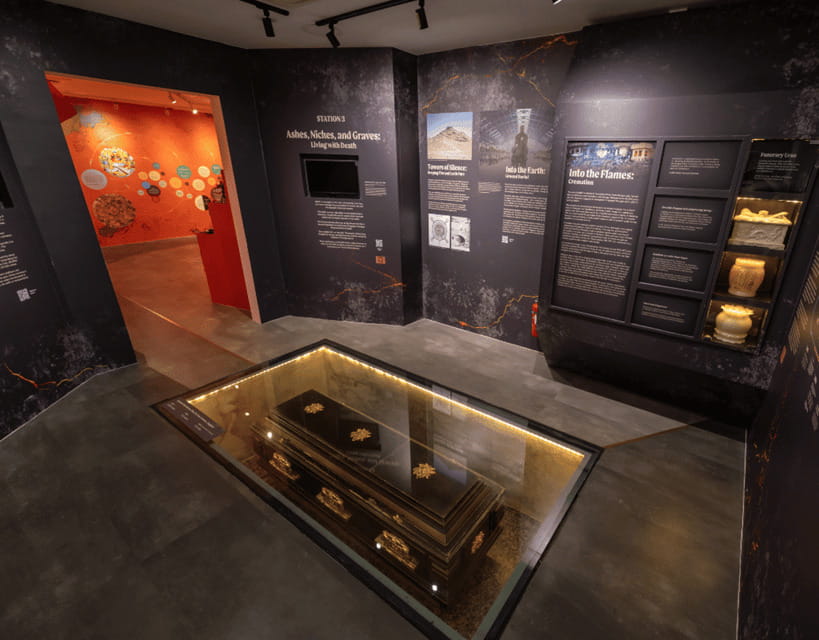
Interactive elements are part of the museum’s educational approach. They give you another way to engage with the subject beyond looking at displays, though the exact activities are not specified here. Think of them as a useful change of pace during a visit that asks you to take in a lot of ideas and imagery.
Interpretation is important in a museum like this. The 10 Courts can be confronting without context, while the wider displays help place them among different cultural and religious views of death. Some visitors have had a guide explain the villa and exhibits, but standard admission alone does not promise a guided tour. If guided explanation matters to you, check what is available before you book.
The most praised parts of the experience are its explanations of how religions view death, the history behind the exhibits, and the chance to learn about the villa. Those are good reasons to give the interpretive material time. A visit focused only on the graphic scenes would miss much of what makes the museum worthwhile.
Is $17 good value?

At $17 per person, the ticket buys access to a large museum with enough material for a 2 to 4 hour visit. The value is strongest if you take an interest in religion, cultural history, morality, or visual depictions of the afterlife. If you read the exhibits and use the interactive elements, you are likely to get more from the admission than if you make a quick pass through.
It is less compelling if you expect a light or purely entertaining attraction. The subject is serious, and some imagery is graphic. The museum’s value lies in the explanations and comparisons as much as in its striking theme.
Standard admission is included. The ticket is non-refundable, so make your plans with care. Children aged 7 to 12 need a child ticket, while anyone aged 13 or older needs an adult ticket. Children 6 and under enter free.
Who should make the visit?
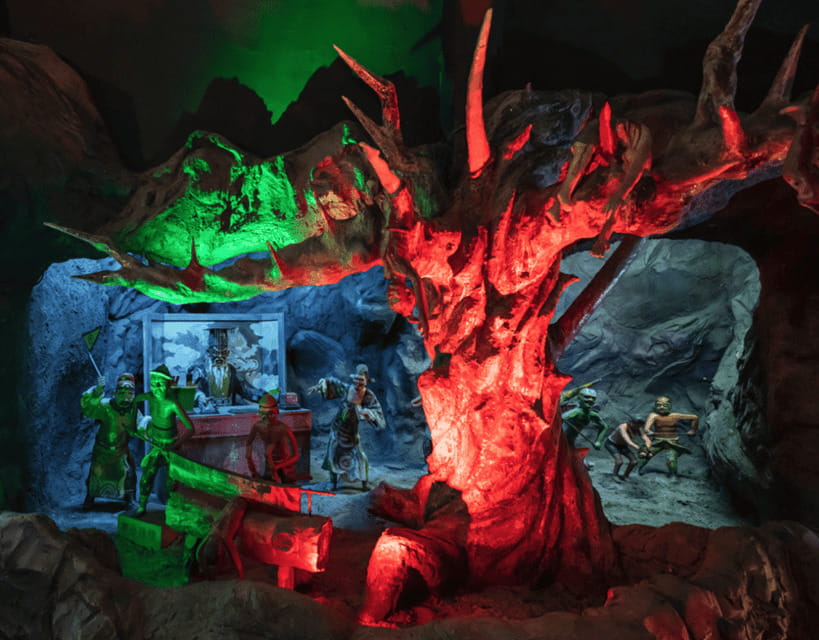
I would put Hell’s Museum on the list for adults and older teens who are interested in how different cultures understand death and the afterlife. It is also a good choice for a family with older children who are comfortable discussing challenging subjects and viewing graphic material. One family with teenagers aged 13 and 17 found a two-hour visit rewarding, which gives a useful sense of how well it can suit older teens.
For younger children, use caution. Entry is free for children 6 and under, but the museum is not recommended for children under 9, and the subject may be too graphic or simply not engaging for them. The ticket rules and the age guidance are not the same thing: free admission does not mean the displays suit every child.
If your main interest is Haw Par Villa, the 10 Courts of Hell give you a focused way to understand its cultural significance. If you are more interested in world religions, the comparative displays may be the stronger reason to go. Either way, the visit works best when you come ready to think, not just look.
Should you book Hell’s Museum?
Book if you want a serious, unusual look at death, religious belief, and moral ideas, and you are comfortable with graphic depictions. The strongest reason to go is the combination of comparative perspectives and the 10 Courts of Hell, which gives the subject both cultural context and visual force.
Skip it, or choose a different outing, if you want a light attraction or are bringing children who may be upset by gruesome scenes. At $17, it is a fair-value visit for anyone willing to spend a few hours with the subject. Check the available starting times, go directly to Hell’s Museum for ticket redemption, and give yourself enough time to read rather than rush.
FAQ
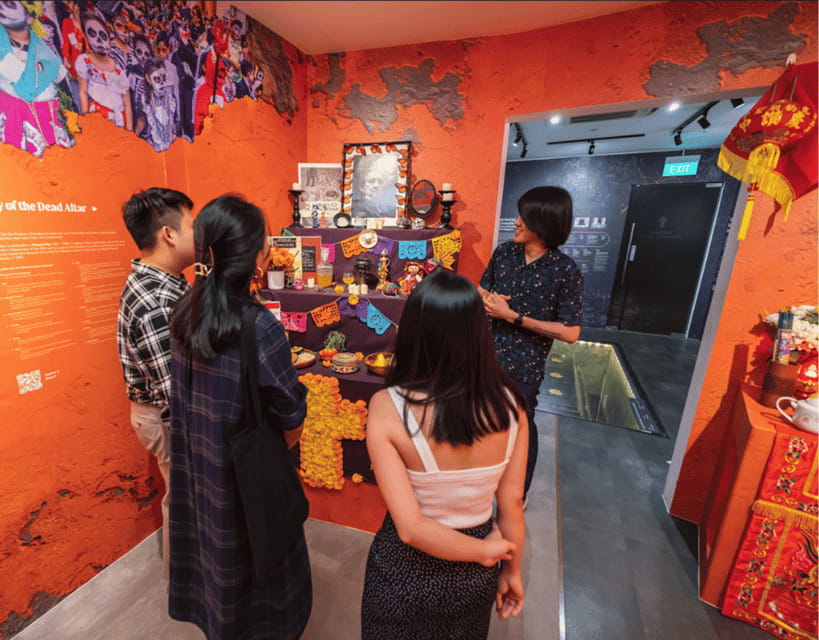
How much does admission cost?
The listed price is $17 per person for standard admission.
How long should I allow for a visit?
The estimated visit is 2 to 4 hours, depending on your interest level. Your ticket allows access up to closing time.
How long is the ticket valid?
The ticket is valid for one day.
What does standard admission include?
It includes standard admission to Hell’s Museum.
What are the main subjects covered?
The museum explores views of death and the afterlife, different belief systems, and Haw Par Villa’s 10 Courts of Hell.
How large is the museum?
The museum covers 3,800 square metres.
Are children admitted free?
Children aged 6 and under enter free. Children aged 7 to 12 need a child ticket, and those aged 13 or older need an adult ticket.
Is the museum recommended for young children?
The museum is not recommended for children under 9. Some depictions are gruesome.
Can I get a refund if I cancel?
No. The activity is non-refundable.
Where do I go to redeem my ticket?
Proceed directly to Hell’s Museum Singapore for redemption.
Just added around Singapore
- Singapore Changi Airport Arrival Transfer★ 5.0 · 13 reviews
- Singapore Changi Airport (SIN) to Singapore – Arrival Private Transfer★ 5.0 · 6 reviews
- Singapore City Bike Tour★ 5.0 · 14 reviews
- Singapore Airport: Shared Arrival or Departure Car Transfer★ 3.5 · 3 reviews
- Singapore Private & Personalized Half-Day Tour with a Local Guide★ 5.0 · 18 reviews
- Skip the Line: Singapore Cable Car Sky Pass (Round-Trip)★ 4.0 · 11 reviews
- Secrets of Singapore Kick Scooter Tour with Dinner★ 5.0 · 11 reviews
- Private Customized Walking Tour with English Tour Guide★ 5.0 · 5 reviews
Singapore Museum Tickets, compared.

Red Dot Design Museum Admission Ticket – A Preview of the Future
Read our review →
Browse the lists this tour appears in