
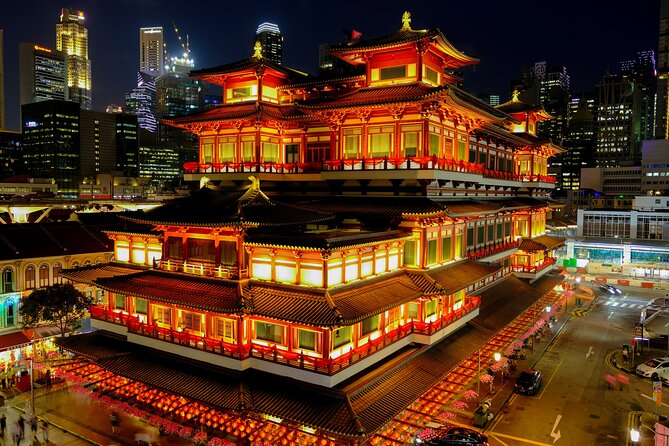
Review · CHINATOWN SINGAPORE TOURS
Feel the Heartbeat: A Singapore Chinatown Walking Tour
Singapore’s Chinatown makes more sense when you connect its food, streets, and places of worship instead of seeing each as a separate stop. This small-group walk pairs local dishes with stories about the neighborhood, then winds up with Chinese tea. I like that it gives you both a taste of Chinatown and a way to read its streets.
I especially like the food-led start, which gives you a local dish before the walking begins, and the tea session at the end, a welcome chance to slow down after exploring. Guides have included Serene, Ronald, and Roland; the names are worth knowing, though your guide depends on the departure. One thing to weigh: food selections are fixed, so the tour cannot accommodate individual preferences or dietary requirements.
Key points
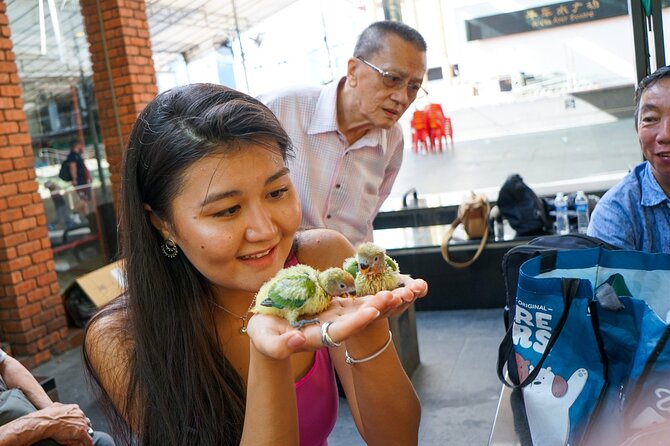
- Start with a shared local dish: Food is part of the introduction, not an afterthought.
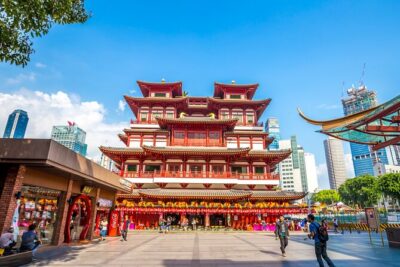
- See Chinatown’s places of worship: The route highlights the Buddha Tooth Relic Temple, Sri Mariamman Temple, and Jamae Mosque.
- Pass through Chinatown Complex: Expect a look at hawker food and market stalls in a major neighborhood hub.
- Hear stories tied to the streets: Shophouses and murals help connect the present-day district with earlier generations.
- Finish with Chinese tea: The closing tea session gives the walk a deliberate, restful ending.
- Keep the group small: The tour is limited to eight participants, with an expected duration of about two hours, sometimes closer to two and a half.
Food first, then Chinatown’s streets
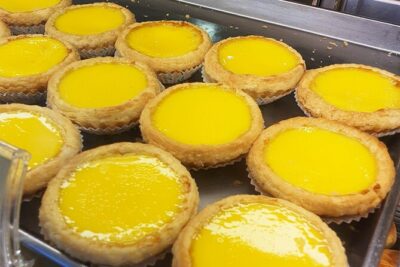
The walk begins with a shared tasting of a local dish. That is a useful opening move: rather than spending the first part of the tour trying to choose what to eat, you get an immediate introduction to Singapore’s food culture. The exact selections can vary, but dishes enjoyed on this tour have included Cantonese roast pork and char siu, as well as laksa.
Those examples suggest a welcome range of flavors and traditions, but you should not treat them as a guaranteed menu. The food is fixed, and the tour cannot adjust it for dietary needs or personal preferences. If you have allergies or follow a restricted diet, check with the operator before booking. The tour terms make clear that individual food changes are not available.
Food is also a handy way into the neighborhood’s history. Singapore’s Chinatown is not simply a set of old buildings. It is a living district where trade, migration, worship, and everyday meals have shaped local life. A guide can give context that is hard to get from a food stall or a quick look at a street sign alone.
The food-focused format is particularly useful if you are overwhelmed by the number of places to eat in Chinatown. Instead of planning every stop yourself, you follow a route chosen to bring together local dishes and cultural points. The trade-off is less freedom to pick the menu or linger wherever you like.
More Chinatown tours around Singapore:
- Chinatown, Little India, Kampong Gelam City Highlights Tour
★ 5.0 · 224 reviews - Singapore: Chinatown Hawker Market Food Tour with 7 Food Tastings
★ 5.0 · 213 reviews - Singapore: Chinatown and Little India Guided Walking Tour
★ 4.8 · 190 reviews
Temples, a mosque, and the Street of Harmony
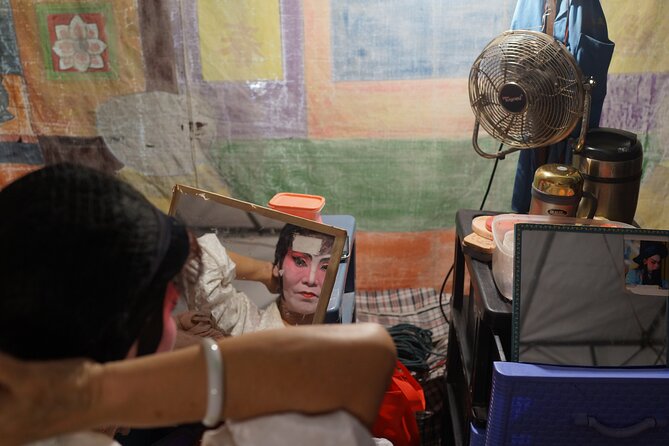
The route draws attention to Chinatown’s close-knit mix of religious sites. The named stops include the Buddha Tooth Relic Temple, Sri Mariamman Temple, and Jamae Mosque. They sit within a short walk of one another, making the area a vivid example of Singapore’s multicultural life.
The Buddha Tooth Relic Temple is noted for its grandeur, while Sri Mariamman Temple is known for its colorful artistry. Jamae Mosque offers a quieter contrast. Even if you have seen religious buildings elsewhere in Singapore, noticing how these different places share the same neighborhood helps you understand the district as more than a visitor zone.
The tour also frames the area as a Street of Harmony, where temples, mosques, and churches coexist. The supplied route names the temple and mosque stops, but does not specify a church visit, so think of this as a neighborhood theme rather than a promise to enter every type of place of worship. As with any active religious site, be prepared to follow the guide’s instructions and respect local customs.
The appeal here is not just the architecture. A guide can help explain how the buildings relate to the people who use them and to the history of the district. The walk is a good fit if you want context but do not need a long museum-style lecture. It keeps moving, with the streets themselves doing much of the talking.
Chinatown Complex and the everyday food scene
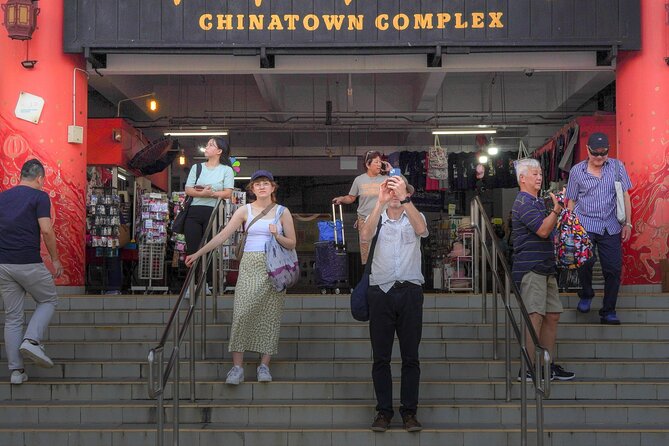
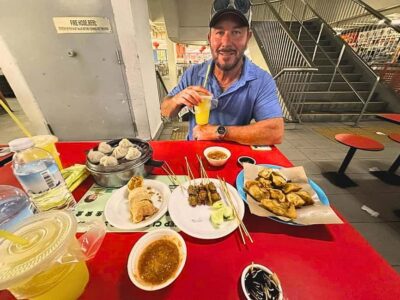
Chinatown Complex brings the tour back to everyday life. It is a hub of hawker food and market stalls, a useful contrast to the temples and shophouse façades. You get a sense of how Chinatown works as a neighborhood, not only as a collection of historic sights.
The tour description does not promise a meal at a particular stall inside the complex, so it is best to see this stop as part of the walk and its local-food story. The included food tasting is a separate element of the experience, and the precise dishes may differ. If you are hoping for a specific dish, ask before you book rather than assuming it will be on the day’s menu.
Some of the best value in a guided food walk comes from knowing what you are looking at and why it matters. The complex’s market stalls and food counters make more sense when you can connect them to the area’s daily routines and food traditions. You will have less need to make choices on the fly, though you may want to return afterward if a stall catches your eye.
Shophouses, murals, and older Chinatown
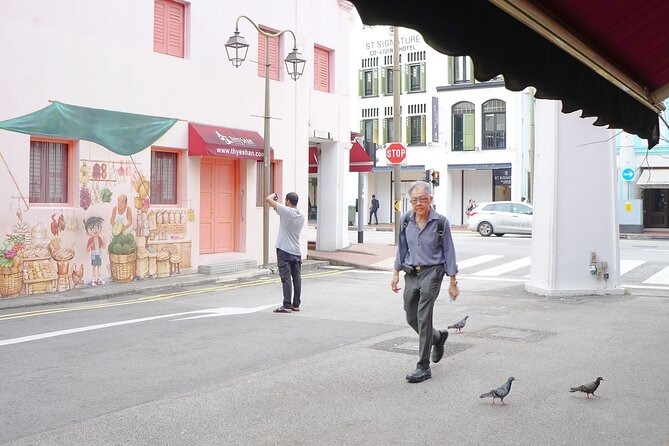
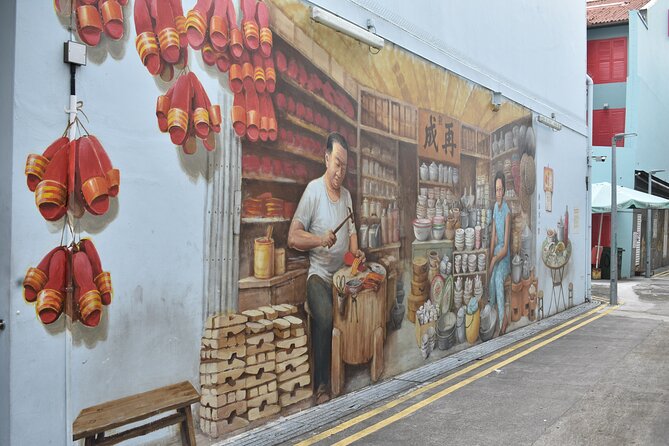
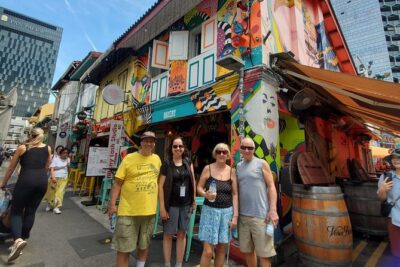
Between food stops and religious sites, the tour takes in shophouses and murals. The façades are more than a pleasing backdrop: they offer a way to think about the people and generations that have shaped the neighborhood. Murals, in particular, bring scenes of old Singapore into the present-day streets.
The walk is described as covering Chinatown, with one account of the route including Telok Ayer, Kreta Ayer, and Cross Street. Routes can change, so treat those names as a sense of the areas the tour may cover, not a fixed promise for every departure. The operator can adjust routes and schedules before the tour if circumstances require it.
This is where having a guide can save time and add perspective. Chinatown has plenty to see, but it is easy to pass a painted wall or a row of shophouses without knowing what it represents. Guides Serene, Ronald, and Roland have each been associated with the tour, and the praise around their manner is consistent: visitors valued friendly explanations, a relaxed pace, humor, and practical storytelling. Your guide is not guaranteed to be one of these three, but expect an English-speaking guide.
More walking tours around Singapore:
- Singapore: Private Walking Tour with a Local
★ 4.7 · 410 reviews - Private Customised Singapore Walking Tour
★ 5.0 · 370 reviews - Singapore: Customized Private Tours (Car/Bus/Walking)
★ 5.0 · 181 reviews - Eat Snap Katong Walking Food Tour
★ 5.0 · 174 reviews
Chinese tea as the closing pause
The walk ends with a Chinese tea session. It is a thoughtful change of pace after food, streets, and landmark stops. Instead of finishing at one more busy attraction, you get time to pause, notice the aromas, and let the walk settle.
Tea is included, along with meals, so the listed price covers more than guiding alone. The exact tea selection and setting are not specified, so do not expect a particular ceremony or tea variety. The point is a deliberate moment of rest and attention, a fitting counterpoint to Chinatown’s lively food and street life.
If you are planning a full day of sightseeing, this ending may also help you decide what to do next. The tour finishes on Temple Street, with MRT stations nearby on foot. You can continue exploring or head onward without needing to return to the starting point.
What the two-hour format means
The advertised duration is about two hours, but the walk can take two to two and a half hours depending on the group’s pace. That half-hour range matters if you have a tight schedule. Leave a little room afterward rather than planning a timed attraction right on the expected finish.
A 10 a.m. start has been noted as a comfortable time, with less heat and fewer crowds than later in the day. That is a useful tip, not a guarantee about every date or departure. Singapore’s weather can change, and the route is outdoors, so light clothing, comfortable walking shoes, and water are sensible choices.
The group is capped at eight. That small size should make it easier to hear the guide and ask questions than on a large coach tour, while still bringing a few people together around the food stops. Most people can participate, and the meeting point is close to public transport.
Meet at Chinatown MRT Station, DT19, at 91 Upper Cross Street. The walk ends on Temple Street, where MRT stations are also nearby. A mobile ticket is offered, and booking confirmation is provided within 48 hours, subject to availability.
Is $62.08 good value?
At $62.08 per person, the tour is not just a short guided walk. The price includes an English-speaking guide, meals, and Chinese tea, along with a route that links local food to cultural sites and neighborhood stories. If you value an organized introduction to Chinatown and do not want to plan every food stop yourself, that bundle can make sense.
The value depends in part on what you want from the food. The menu is fixed, and the exact dishes and portions are not specified. You are paying for the combination of food, guiding, and a small-group route, not for the freedom to order anything you like at each stop.
The tour is often reserved well in advance, with an average booking lead time of 183 days. That does not mean you must book that early, but it is a reason to check availability ahead of a busy trip. Free cancellation is available until 24 hours before the start; cancellations inside that window are not refunded. In poor weather, the tour may be canceled and you can be offered a new date or a full refund.
One important practical point: insurance is not included. The operator advises participants to arrange their own personal accident and liability cover. The tour also notes risks such as weather exposure, food-related illness, and accidental injury, so use your own judgment about health and comfort.
Who should book this Chinatown walk?
This tour suits you if you want a compact introduction to Chinatown that combines eating with cultural context. It is especially useful on an early Singapore visit, when a guide can help you get oriented and point out the relationships between food, faith, and the neighborhood’s older streets.
It also works well if you enjoy tasting local dishes but find it hard to choose where to start. The small group and set route make the experience straightforward, while the guide’s stories add more than a string of photo stops. The tea session gives the morning a calm finish.
Think twice if you need a fully flexible menu, have dietary requirements the operator cannot accommodate, or want to spend a long time inside each site. The walk covers several kinds of places in a limited window. It is an overview, not an in-depth visit to every temple, mosque, market, or mural.
Should you book it?
Book this walk if you want Chinatown served in a practical mix: local food, religious landmarks, shophouse stories, and tea, all in a group of no more than eight. The strongest reasons to go are the guided context and the pairing of food with neighborhood history. Before paying, confirm the selected departure, check whether the fixed food menu works for you, and leave a little time after the walk in case it runs closer to two and a half hours.
FAQ
How long does the Chinatown walking tour take?
It is expected to take about two hours, though the pace of the group can extend it to two and a half hours.
Where does the tour start?
Meet at Chinatown MRT Station, DT19, at 91 Upper Cross Street, Singapore 058362.
Where does the walk finish?
The tour ends on Temple Street. MRT stations are nearby on foot.
What food is included?
Meals are included, starting with a shared local dish. Dishes enjoyed on the tour have included roast pork, char siu, and laksa, but the exact selections are not guaranteed.
Can the food be changed for dietary needs?
No. Food selections are fixed and cannot be adjusted for individual preferences or dietary requirements.
Is Chinese tea included?
Yes. The tour includes a Chinese tea session at the end.
How many people can join the tour?
The maximum group size is eight travelers.
Is insurance included, and what happens if bad weather cancels the tour?
Insurance is not included, and participants are encouraged to arrange their own personal accident and liability insurance. If the tour is canceled due to poor weather, you can be offered another date or a full refund.
Just added around Singapore
- Singapore Changi Airport Arrival Transfer★ 5.0 · 13 reviews
- Singapore Changi Airport (SIN) to Singapore – Arrival Private Transfer★ 5.0 · 6 reviews
- Singapore City Bike Tour★ 5.0 · 14 reviews
- Singapore Airport: Shared Arrival or Departure Car Transfer★ 3.5 · 3 reviews
- Singapore Private & Personalized Half-Day Tour with a Local Guide★ 5.0 · 18 reviews
- Skip the Line: Singapore Cable Car Sky Pass (Round-Trip)★ 4.0 · 11 reviews
- Secrets of Singapore Kick Scooter Tour with Dinner★ 5.0 · 11 reviews
- Private Customized Walking Tour with English Tour Guide★ 5.0 · 5 reviews
Chinatown Singapore Tours, compared.
Chinatown, Little India, Kampong Gelam City Highlights Tour
Read our review →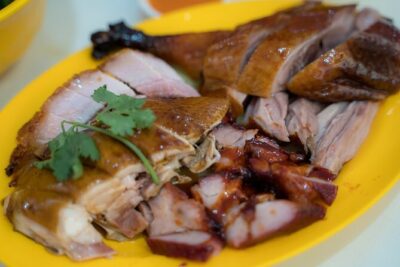
Chinatown Hawker Market Food Tour with 7 Food Tastings
Read our review →
Kampong Glam, Little India & Chinatown with Local Street Food Tastings
Read our review →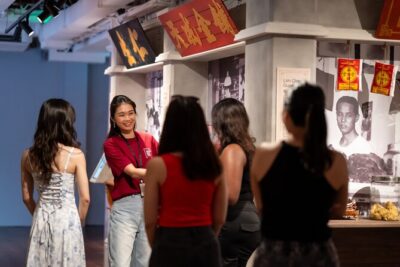
Tasting Trails: Chinatown OR with Kampong Glam, Little India
Read our review →Browse the lists this tour appears in