
Review · SINGAPORE COOKING CLASSES
Experience Singapore: Cultural Cooking Class
Singapore’s food culture makes more sense when you have handled the ingredients yourself. At Food Playground, you learn to prepare three local dishes, hear how food traditions reflect the city’s Chinese, Malay, Indian, and British influences, then eat what you have made.
I like two things in particular: the class pairs practical cooking skills with the stories behind the dishes, and the small group size, capped at 12, gives you room to take part and ask questions. You also get lunch, water, coffee, and tea as part of the three-hour session.
One thing to weigh: the menu can change, and this is a shared, instructor-led class rather than a private kitchen with an individual station for everyone. Some introductions may run long, so if you’re eager to get straight to chopping, patience helps.
- Three dishes in one class: Prepare a trio of Singapore-style favorites, with menus subject to change.
- Local food, explained: Learn about the origins and cultural background of dishes as well as how to make them.
- A small group: The class runs with at least two people and no more than 12.
- Lunch is included: Eat your creations with the group, with water, coffee, and tea provided.
- A Chinatown address: Meet at Food Playground, 24A Sago Street, in a heritage shophouse setting.
- Take-home help: Past classes have shared recipes and photos after the session.
A cooking lesson with Singapore on the menu
Singapore is famous for eating well, but ordering a plate of laksa or chicken rice tells you only part of the story. This class adds the steps behind the meal: how ingredients are prepared, how spices are used, and how local dishes connect to the city’s mix of cultural influences.
The experience is designed for a wide range of skill levels. You don’t need to arrive with knife skills or a personal collection of curry recipes. The instructor demonstrates techniques and guides you through the cooking, so a beginner can follow along while someone who cooks often still has room to learn.
The advertised format is to prepare three dishes in about three hours. Examples have included laksa, chicken satay, curry chicken, and ondeh ondeh, a sweet treat. The exact menu is not fixed, so book for the overall experience rather than for one specific dish.
That flexibility matters. A cooking class can be a better way to learn about local food than simply eating your way through a menu, but only if you’re open to the dishes chosen for that day. If you have your heart set on making a particular recipe, check the menu before booking rather than assuming it will be included.
Starting at Food Playground on Sago Street
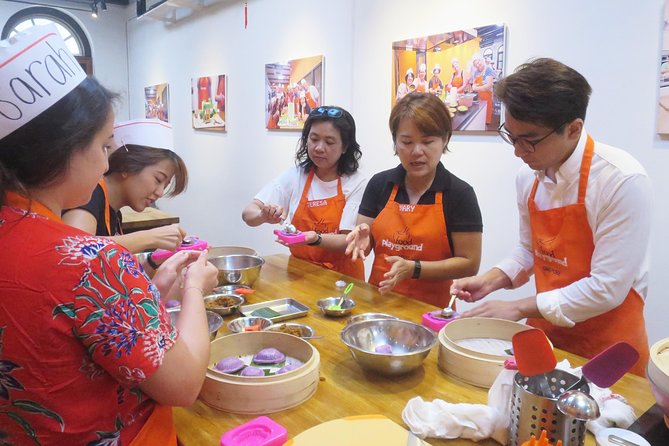
The meeting point is Food Playground, at 24A Sago Street in Chinatown. The class begins at 9:30 am and ends back at the same address. You’ll need to make your own way there because hotel pickup and drop-off are not included.
The class is held on the second floor of an old shophouse, a setting that adds a local feel to a morning that might otherwise take place in a standard teaching kitchen. The location also makes it easy to continue exploring Chinatown afterward. The Buddha Tooth Relic Temple is next door, and the area has food halls and several MRT stations within easy reach.
Arriving on time is useful, since the class begins as a group. Once there, you’ll meet your instructor and fellow cooks, put on an apron, and get an introduction to the session. Some classes have started with a food quiz, a light way to get people talking and set up the cultural context for the cooking.
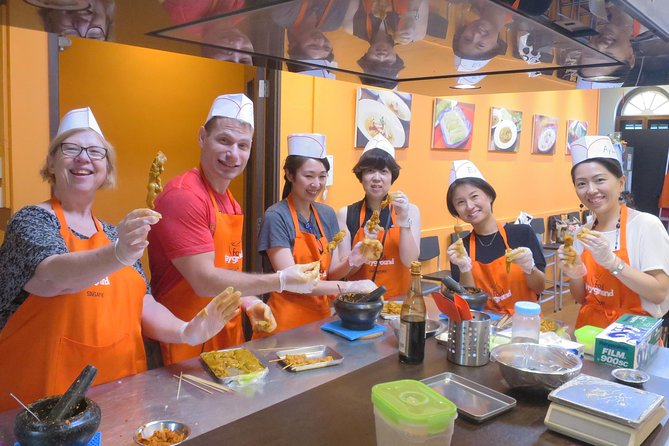
The instructors’ names vary by session. Past classes have been led by Mary, Nur, Sara, Monica, Ann, YY, Kiat, and Cindy. They are described as friendly and clear in their teaching, and several have paired cooking instructions with stories about Singapore’s food traditions. You can’t count on a particular instructor, but the English-speaking format is part of the experience.
More cooking classes around Singapore:
- Singapore: Hands-on Cooking Class with Cultural Immersion
★ 4.9 · 107 reviews - Singapore: Market-to-Table Experience and Cooking Class
★ 5.0 · 17 reviews - Private Market Visit and Cooking Class With A Professional Chef
★ 4.5 · 10 reviews
Learning the stories behind the recipes
The class is not just a set of recipes to copy. Your instructor explains the background of the dishes and how Singapore’s Chinese, Malay, Indian, and British influences have shaped what people eat. That context gives the cooking more meaning: a paste or seasoning is not merely a step in the recipe, but part of a broader food tradition.
The balance between explanation and cooking is worth considering. Many people value the history and cultural notes as much as the meal, especially if this is your first introduction to Singaporean cuisine. Others may prefer less talk and more time at the chopping board. A few class participants have felt that opening discussions ran longer than needed, including explanations of dishes not on that day’s menu.
I’d treat the opening as part of the lesson, but don’t expect the first few minutes to be all hands-on work. If you’re mainly booking to cook, the class still includes practical instruction, but the cultural introduction is a real part of the format rather than a brief preface.
From demonstration to shared cooking
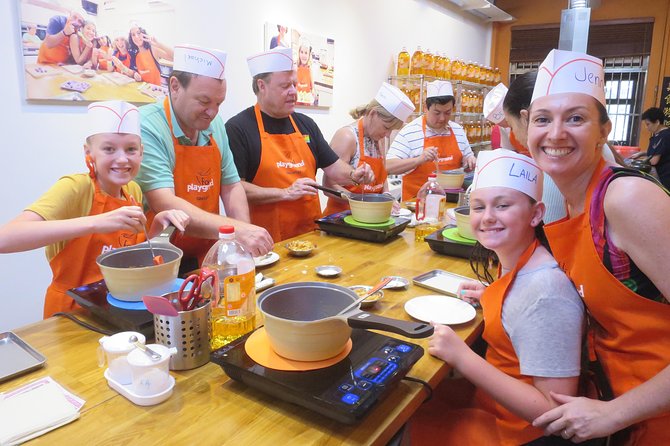
The instructor demonstrates the dishes and techniques, then the group takes part in preparing them. The format is interactive, but it is not necessarily one independent cooking station per person. In some sessions, participants have worked in pairs at a station; a solo participant may have a station to themselves, depending on the group.
That shared setup can be a plus if you enjoy cooking alongside other people. You can compare notes, split tasks, and get help as you go. It also suits couples, friends, and families who want to do something together rather than stand in separate corners of a kitchen.
If you like complete control over every step, keep in mind that a group demonstration and shared preparation are different from a private lesson. You will still have a role in making the food, but the exact division of tasks can depend on the class size and group arrangement.
The maximum group is 12, and the minimum is two. That is small enough to make questions and instructor guidance practical, while still giving the session a social feel. The stated minimum age is seven, which makes this a possible family activity for children who are interested in cooking and can take part in a group class.
Three dishes, then lunch together
The class’s payoff is lunch: you sit down with your group and eat the dishes you have prepared. Water, coffee, and tea are included, along with the ingredients and equipment. That makes the price easier to judge, since the experience includes both a lesson and a meal rather than a cooking demonstration alone.
The precise menu varies, but examples from past sessions include laksa, chicken satay, curry chicken, and ondeh ondeh. One class has included making curry paste from scratch, a useful technique to take home if you like cooking with spices. Others have prepared three dishes under the instructor’s guidance, with the menu shaped by the day’s class.
Expect an informal meal, not a restaurant service with a separate menu. The point is to eat the results together and talk about what you have learned. The food also gives you a chance to notice how the preparation affects flavor, something that can be hard to understand when you only order a finished dish.
Because the class lasts about three hours and starts at 9:30 am, plan the rest of your day around a substantial late-morning meal. Chinatown is close by for a post-class walk, but you may not be hungry enough to make a food hall your next stop right away.
Same island, a different kind of day:
- Lion City Bike Tour of Singapore
★ 5.0 · 6,211 reviews - Singapore: Gardens by the Bay Bundle Entry Ticket
★ 4.3 · 3,726 reviews - Singapore: Big Bus Hop-On Hop-Off Tour by Open-Top Bus
★ 4.5 · 3,261 reviews - Singapore: Lion City Highlights Bike Tour
★ 4.9 · 2,010 reviews
What you take home besides lunch
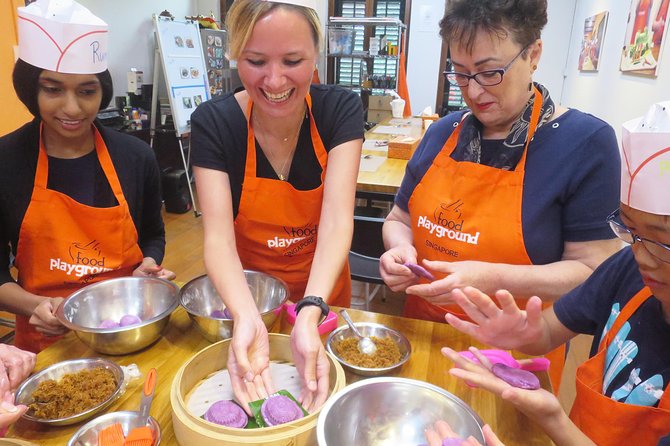
The most useful souvenir is the ability to try the recipes again. Past sessions have shared recipes and class photos afterward, so you can refer back to the instructions and remember how the steps looked. This is especially handy for dishes that involve several stages or spice preparations.
The recipes are not a guarantee that every ingredient will be easy to find back home, and the class does not promise a shopping guide. Still, learning the method and seeing how the instructor handles the ingredients gives you a better starting point than a recipe alone.
You also leave with a clearer sense of how Singapore’s food reflects its different cultural roots. That can shape what you order for the rest of your stay. Instead of choosing a dish only because its name sounds familiar, you’ll have some context for its ingredients and place in local cooking.
Is $96.97 a fair price?
At $96.97 per person, this is more expensive than simply buying lunch at a hawker center. But it is not a meal-only purchase. You’re paying for roughly three hours of instruction, ingredients, kitchen equipment, cultural explanations, and a shared lunch with drinks. If you enjoy cooking or want a more active way to learn about local food, that bundle can represent good value.
The class is less compelling if you only want a quick meal or a short cooking demonstration. Its value depends on your interest in learning and taking part. If you’ll use the recipes at home, enjoy meeting other people over food, or want a morning activity with both practical and cultural content, the price is easier to justify.
Group discounts are listed as a feature, which may help if you’re booking with others. The class is also limited to 12 participants, so the advertised group cap supports a more personal lesson than a large tour group would. It does not mean you get private instruction, though; the experience remains shared.
Who should book this class?
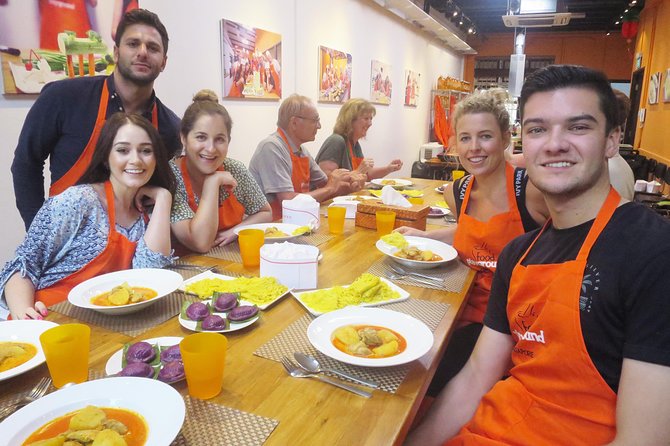
I’d recommend it to food-minded visitors who want to do more than sample Singaporean dishes. It suits cooking beginners, confident home cooks, couples, families with children aged seven or older, and solo visitors who like meeting people through a shared activity.
It is especially useful early in a Singapore visit. The class gives you a foundation in local flavors and food culture that can make later meals more interesting. If you take it near the start of your trip, you’ll have time to recognize ingredients and dishes as you explore the city’s food stalls and restaurants.
It may be a weaker fit if you need a specific dish on the menu, dislike group cooking, or want every minute devoted to hands-on preparation. Menus and ingredients can change, and the teaching includes background discussion. Dietary requirements should be shared when booking, but the class does not promise a particular substitute or menu adjustment.
Should you book Food Playground?
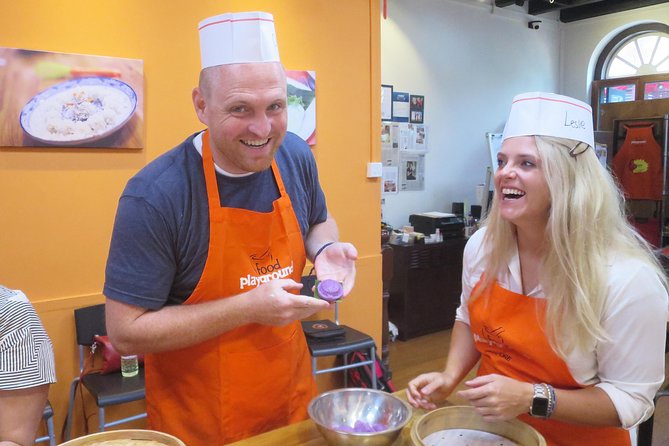
Book if you want a social, practical introduction to Singapore’s food culture and value learning as much as eating. The combination of a small group, guided preparation, cultural context, and lunch gives the class more substance than a meal out, while the recipe sharing can help the experience last beyond your trip.
Skip it if your main goal is to cook one specific dish or have a private lesson. For most curious food lovers, though, this is a useful way to spend a morning in Chinatown: you leave full, with a few new techniques and better questions to ask at your next local meal.
FAQ
How long is the cooking class?
The class lasts about three hours.
What time does the class start?
The start time is 9:30 am.
Where does the class meet?
It meets at Food Playground, 24A Sago Street, Singapore 059020.
What dishes will I cook?
You’ll prepare three dishes, but the menu can change. Past examples include laksa, chicken satay, curry chicken, and ondeh ondeh.
Is lunch included?
Yes. You eat the food prepared in class, and water, coffee, and tea are included.
Is the class taught in English?
Yes. Local English-speaking instructors lead the class.
How many people can join?
The class requires at least two participants and has a maximum of 12.
Is the class suitable for children?
The minimum age is seven.
Just added around Singapore
- Singapore Changi Airport Arrival Transfer★ 5.0 · 13 reviews
- Singapore Changi Airport (SIN) to Singapore – Arrival Private Transfer★ 5.0 · 6 reviews
- Singapore City Bike Tour★ 5.0 · 14 reviews
- Singapore Airport: Shared Arrival or Departure Car Transfer★ 3.5 · 3 reviews
- Singapore Private & Personalized Half-Day Tour with a Local Guide★ 5.0 · 18 reviews
- Skip the Line: Singapore Cable Car Sky Pass (Round-Trip)★ 4.0 · 11 reviews
- Secrets of Singapore Kick Scooter Tour with Dinner★ 5.0 · 11 reviews
- Private Customized Walking Tour with English Tour Guide★ 5.0 · 5 reviews
Singapore Cooking Classes, compared.
Private Market Visit and Cooking Class With A Professional Chef
Read our review →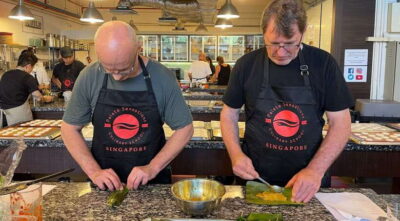
Singaporean Cooking Class With A Professional Chef
Read our review →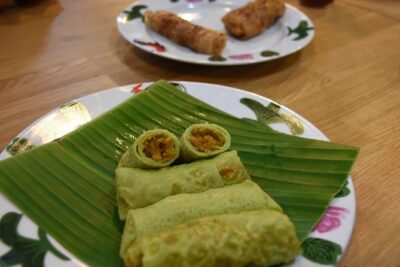
Peranakan Cooking Class in Singapore, near Lavender MRT Station
Read our review →Browse the lists this tour appears in