Review · TOURS IN SINGAPORE
Beginner Angler’s Course
A fishing lesson on Lazarus Island trades a classroom for the sea. You’ll prepare with online tutorials, learn knots and fish behavior, then put the basics to work with a rod and fishing setup. It’s designed for people starting from zero, not for anglers who already have their own system.
I like two things in particular: the step-by-step preparation, which gives you a chance to practice a rig before the practical session, and the small group cap of 10, which should leave room for questions and hands-on help. Instructors named by past participants include Franky, Raymond, Francis, and Aloysius.
One point needs checking before you book: the course is described as both about four hours and a full-day experience, with theory in the morning and fishing in the afternoon. The booking steps also describe online theory before a practical session. Confirm the current schedule, and plan to bring your own water and food.
What to know before you go
- Preparation starts online: Watch the tutorials, tie at least one paternoster rig, then complete the quiz before your practical date.
- The lesson is built for beginners: Expect instruction on equipment, knots, fish behavior, using a rod, and handling a fish.
- The setting is part of the appeal: The course takes place around Lazarus Island, with the practical session described as being on a fishing yacht.
- You get the fishing equipment: Bottled water is not included, and you’re asked to bring at least one liter per person.
- It’s a small group: The maximum is 10 participants, a useful limit for a lesson that involves learning by doing.
- Plan to pack provisions: There are no food stalls on the island, so bring enough food and water for the time you’ll be there.
Fishing basics, taught before you cast
The Beginner Angler’s Course is for anyone curious about fishing but unsure where to begin. The point is not simply to hand you a rod and hope for the best. The course aims to help you understand the setup, tie a basic rig, use the equipment, and handle a fish if you catch one.
That methodical start matters. Fishing can look like a pile of unfamiliar gear and knots from the shore. Learning what the equipment does, and how the parts fit together, can make the first attempt feel less like guesswork. The course also covers fish behavior, giving you a little context for what is happening below the surface rather than focusing only on the mechanics of casting and reeling.
You do not need prior experience. You should, however, be comfortable standing near the sea. That is a sensible requirement for a course that takes place offshore and includes time around a yacht. If proximity to the water makes you uneasy, this may not be the best first outing.
The course is also not limited to people who have never held a rod. Someone with a bit of fishing experience may still appreciate a structured refresher, particularly on knots and rigs. One participant with previous experience found the knot instruction useful, which is a good sign that the lessons can have value beyond the absolute basics.
Other things people book around Singapore:
- Lion City Bike Tour of Singapore
★ 5.0 · 6,211 reviews - Singapore: Gardens by the Bay Bundle Entry Ticket
★ 4.3 · 3,726 reviews - Singapore: Big Bus Hop-On Hop-Off Tour by Open-Top Bus
★ 4.5 · 3,261 reviews
Online preparation makes the practical time count
Before the practical session, you’ll watch online tutorials provided through a link sent after booking. You’re asked to tie at least one paternoster rig and complete an online quiz. That means your learning starts before you reach the meeting point, and you should set aside time to do the preparation rather than treat it as optional busywork.
A paternoster rig is the specific knot-and-line setup called for in the instructions. For a newcomer, tying one can be a challenge. That is part of the value: arriving with a first attempt behind you gives the instructor a chance to correct your technique and helps you recognize the pieces of the setup during the hands-on session.
The online lessons also help make the practical time more focused. Instead of spending the whole session hearing basic terms for the first time, you can arrive with a rough idea of the equipment and use the instructor’s guidance to turn that outline into a working skill. If you struggle with the rig at home, note your questions and ask for help during the lesson.
This preparation is a plus for anyone who likes to know what they are getting into. It is less appealing if you want a completely spontaneous outing with no homework. The course asks for a modest amount of effort before the day, but that effort is directly tied to the fishing you’ll do in person.
Meeting at Cove Drive, then heading offshore
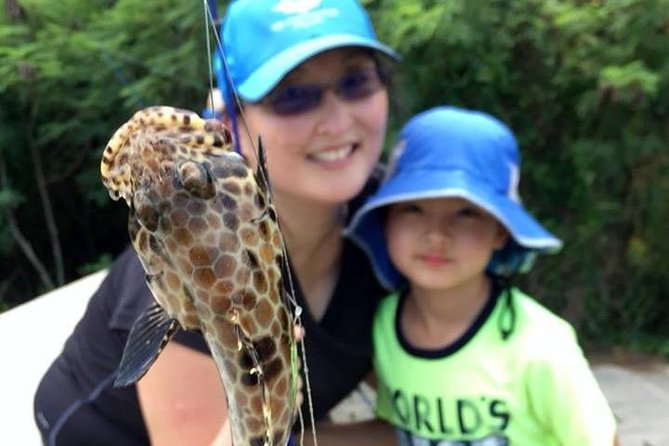
The listed start point is 11 Cove Dr, Singapore 098497, with a 9:00 am start. The activity ends back at the meeting point. It is near public transportation, but the specific route to take and any transfer details are not provided, so check your journey before the morning of the session.
The practical course is associated with Lazarus Island and described as taking place on a fishing yacht. That move offshore is a key part of the outing: you are not just learning in a room or practicing knots on dry land. The setting gives the lesson a real fishing context, and the island offers a change of pace from central Singapore.
There is one practical detail worth sorting out in advance. The information gives a meeting address and says the activity ends there, but it does not spell out the exact boat transfer arrangements or how much time is spent on the island versus on the yacht. Ask the operator what the day’s route and sequence will be, especially if you are coordinating transport or meals.
The schedule also deserves a quick confirmation. The experience is listed as approximately four hours, while its overview describes a full-day course, with theory in the morning and practical fishing in the afternoon. The booking process, by contrast, places the tutorials and quiz before the practical session. These could describe different parts of the course, but the exact current timetable is not clear. Get the start and finish times in writing before making other plans.
Knots, fish, and the first catch
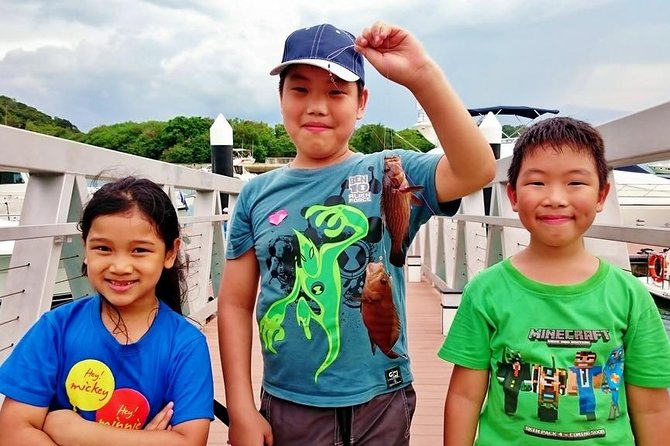
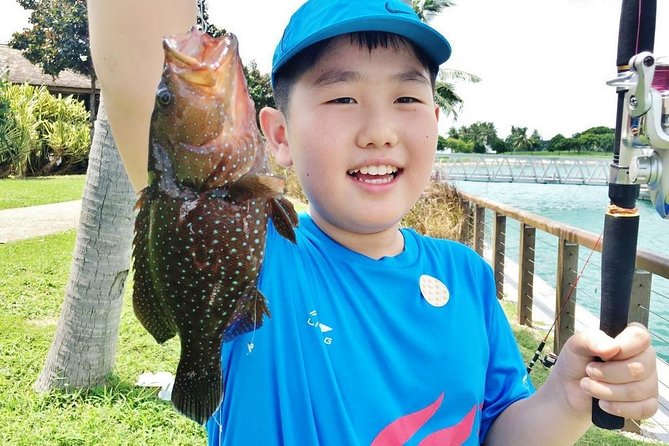
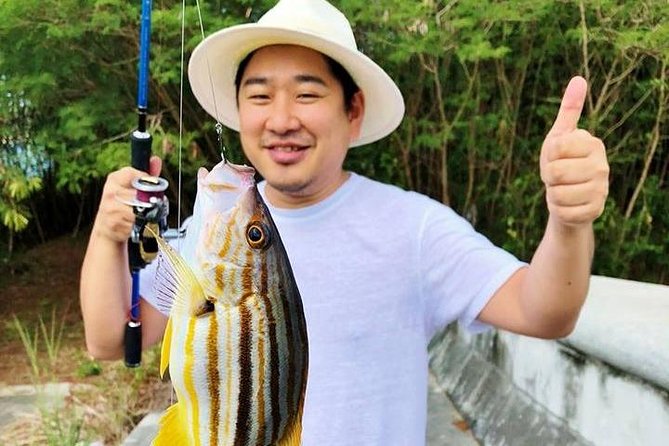
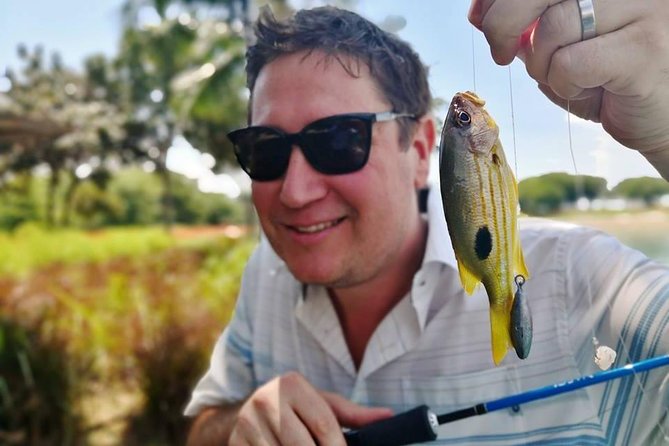
Once you reach the practical portion, you’ll apply what you have learned about equipment and rigs. The course is intended to teach you how to use a fishing setup confidently, and how to handle a fish if one is caught. That last skill is easy to overlook when you are new, but it is part of responsible fishing and a useful thing to learn before your line goes tight.
The instruction is a strong part of the experience. Past participants describe teachers who explain patiently, answer questions clearly, and help with the hands-on work. Names mentioned include Franky or Frankie, Raymond, Francis, and Aloysius. Instructor assignments can vary, so do not book expecting a particular person unless the academy confirms who will lead your session.
Aloysius was singled out for making fishing easy to understand and helping a beginner catch around 20 fish. That is an individual result, not a promise. Fish are not on a timetable, and the course’s value should not depend on a big catch. The more reliable goal is to understand the gear, practice the technique, and know what to do if you do land one.
A puffer fish is one catch mentioned by the academy in its replies to participants. It is a memorable example of the kind of fish that may turn up, but it should not be taken as a guaranteed catch or a set part of the program. Keep your expectations centered on learning, with a catch as a welcome bonus.
The course appears to make room for questions and individual help, an important feature when knots and rod technique are new. A group of no more than 10 is small enough to support that kind of instruction, though the exact amount of one-to-one time will depend on the group and the day.
Same island, a different kind of day:
- Singapore: Lion City Highlights Bike Tour
★ 4.9 · 2,010 reviews - Small Group: Michelin and Local Hawker Food Tour with 9 tastings
★ 5.0 · 1,890 reviews - Morning at the Zoo with 1-way Transfer (Free & Easy)
★ 4.0 · 1,882 reviews - Experience Singapore: Cultural Cooking Class
★ 5.0 · 1,514 reviews
What Lazarus Island adds, and what to pack
The island setting gives the course more character than a basic lesson at a fishing counter or in a classroom. You get time by the sea and a practical reason to be there. If you want an outing that combines learning a hobby with a change of scenery, this is a promising fit.
The trade-off is limited convenience. There are no food stalls on the island, so bring food as well as the required water. Pack at least one liter of water per person, and consider bringing a little extra if you expect to be outside for a long stretch. Take a bag for your rubbish too, since you may need to carry it back with you.
Fishing equipment is included, which keeps the first outing simple. You do not need to buy a rod and tackle just to find out if fishing suits you. The details do not specify whether other personal items are supplied, so ask if you have a particular need rather than assuming the equipment package covers everything.
The course also requires some comfort around open water. You need not be an experienced swimmer according to the information provided, but no swimming details or safety equipment arrangements are stated. If you have concerns about being on a yacht or near the sea, raise them with the academy before booking.
Is $104.10 good value?
At $104.10 per person, the price buys more than a few hours with fishing equipment. It includes a structured introduction, online preparation, the practical session, and the chance to ask an instructor for help while you use the gear. For someone who wants to test a new hobby without first buying equipment, that combination can make the cost worthwhile.
The small group size also matters to the value. A cap of 10 gives the instructor a better chance to notice where you are stuck, whether that is tying the rig or figuring out how to use the rod. That is more useful for a beginner than a large demonstration where you only watch someone else fish.
Still, value depends on what you want. If your main aim is to spend a day catching a specific number of fish, the price is harder to assess because catches cannot be guaranteed. If you want a guided first lesson and a clearer grasp of fishing basics, the course offers a sensible starting point.
Remember to budget a little time and money for food and transport. Water is not included, and the island has no food stalls. Those are small extras, but they matter when an outing takes you offshore.
The course has a 4.8 rating from 19 ratings, and 95 percent of participants recommend it. Those figures are encouraging, especially alongside the repeated praise for patient explanations and clear instruction. They are still based on a relatively small pool, so I would put more weight on the practical fit: you want beginner teaching, a small group, and time on the water.
Who should book this fishing course?
I’d recommend it to you if you have been curious about fishing but have never known how to start. The online tutorials, rig practice, and instructor-led session give you a path from basic terms to trying the equipment yourself. It is also a good choice if you want a low-commitment way to test a potential hobby before buying gear.
It could suit a more experienced beginner who wants a refresher on knots, fish behavior, or handling a catch. The structured format can be useful even if you have fished before, provided you are open to revisiting the fundamentals.
Think twice if you dislike being near the sea, want a fully self-contained day with food and drinks provided, or cannot spare time for the pre-course tutorials and quiz. And if the distinction between a four-hour session and a full-day itinerary matters to your plans, confirm the schedule before paying.
For a first fishing lesson with hands-on guidance in an offshore setting, this looks like a worthwhile option. Book it for the skills and the experience of learning on the water, not for a guaranteed catch.
FAQ
How long is the Beginner Angler’s Course?
It is listed as approximately four hours, but the course description also calls it a full-day experience. Confirm the current schedule with the academy before booking.
Where does the course start?
The meeting point is 11 Cove Dr, Singapore 098497. The activity ends back at the meeting point.
What time does it start?
The listed start time is 9:00 am.
Do I need fishing experience?
No. The course is intended for complete beginners, though it may also suit people seeking a refresher.
What should I do before the practical session?
Watch the online tutorials sent to you, tie at least one paternoster rig, and complete the online quiz.
Is fishing equipment included?
Yes, fishing equipment is included.
Should I bring water or food?
Bring at least one liter of water per person. Bottled water is not included, and there are no food stalls on the island, so bring food too.
What is the cancellation policy?
You can cancel for a full refund up to 24 hours before the experience starts. Cancellations or changes made less than 24 hours before the start are not accepted for a refund or change.
Just added around Singapore
- Singapore Changi Airport Arrival Transfer★ 5.0 · 13 reviews
- Singapore Changi Airport (SIN) to Singapore – Arrival Private Transfer★ 5.0 · 6 reviews
- Singapore City Bike Tour★ 5.0 · 14 reviews
- Singapore Airport: Shared Arrival or Departure Car Transfer★ 3.5 · 3 reviews
- Singapore Private & Personalized Half-Day Tour with a Local Guide★ 5.0 · 18 reviews
- Skip the Line: Singapore Cable Car Sky Pass (Round-Trip)★ 4.0 · 11 reviews
- Secrets of Singapore Kick Scooter Tour with Dinner★ 5.0 · 11 reviews
- Private Customized Walking Tour with English Tour Guide★ 5.0 · 5 reviews
Tours in Singapore, compared.





Small Group: Michelin and Local Hawker Food Tour with 9 tastings
Read our review →
Morning at the Zoo with 1-way Transfer (Free & Easy)
Read our review →