
Review · SINGAPORE ART WORKSHOPS
Batik Painting – Cultural Art Experience
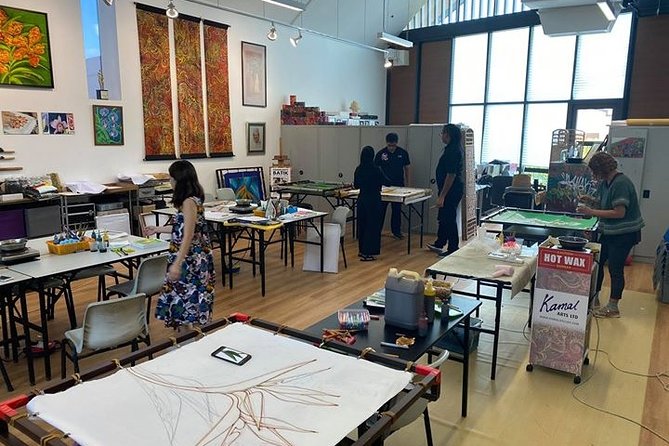
Batik starts with a simple but satisfying trick: draw on fabric with hot wax, then add color to make a design of your own. This two-hour class takes place at Wisma Geylang Serai, a cultural hub for Singapore’s Malay community, and gives you a hands-on way to learn about the craft.
I like that local artist Kamal guides you through the process and that the class is built around making, not just watching. I also like the chance to take home an artwork that you created yourself, plus the opportunity to ask about batik and Singapore’s art culture.
One thing to plan for: the studio is inside a community center, and finding the classroom can take a little time. Aim to arrive about 30 minutes early. The instruction should be clear, but one participant found some steps under-explained, so ask questions as you go.
- Try a traditional wax-resist technique: Apply hot wax to fabric with a traditional tool, then paint your design.
- Learn with local artist Kamal: He explains the process and offers guidance while you work.
- Make a personal souvenir: Your finished fabric artwork is yours to take home.
- Spend time in a local cultural hub: The class meets at Wisma Geylang Serai, in the Malay community’s cultural center.
- Choose from daily sessions: The class lasts about two hours, with at least two sessions offered each day.
Make Batik, Not Just a Visit
This workshop gives you a practical introduction to batik, the distinctive art of decorating fabric with wax and color. Rather than simply seeing finished pieces, you learn the basic steps by making one yourself. That hands-on approach is the main reason to book: you leave with a clearer sense of how the pattern takes shape, and a piece of your own work.
The class lasts about two hours. Kamal introduces the materials and explains how to apply hot wax to the fabric using a traditional tool. You then add paint and work with color, including blending. The process is suitable for first-timers, and the instructor’s guidance helps make a technique that may look tricky feel approachable.
You do not need to arrive with an artist’s confidence. People who describe themselves as beginners have enjoyed the class, and the point is to learn and experiment, not produce a flawless gallery piece. Batik rewards a steady hand, but this is a workshop, not an exam.
Kamal’s Guidance and the Learning Pace
Kamal is the artist most often associated with the class, and his patient, encouraging teaching is a major part of its appeal. He explains the steps, gives tips as participants work, and shares information about batik and local art. Some participants have also valued the chance to move beyond a basic design, for example by creating a layered bandana.
The amount of instruction can matter a lot in a short class. One participant felt the process was not explained in enough detail, particularly the options for improving the wax stage and the techniques for blending color. That is worth keeping in mind if you prefer a full demonstration before you begin.
My practical advice is to ask Kamal to walk you through each stage before moving on. If you are unsure how to use the tool, how much wax to apply, or how to blend colors, speak up while there is time to adjust your approach. The instructor has explained that scraping wax to correct a design can damage the fabric and affect how evenly color spreads, so do not assume that every mistake has a quick fix.
Most comments about the teaching are strongly positive, with particular praise for patience, clear guidance, and time to create. Still, the experience can depend on how much individual help you need and how actively you ask for it. If you know you learn best by seeing each step demonstrated, say so at the start.
More art and craft workshops around Singapore:
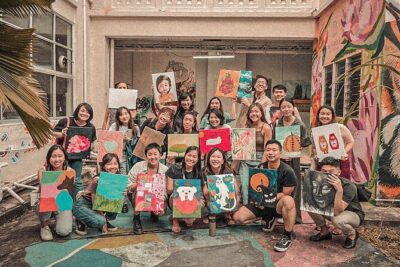
- 2 Hour Art Jamming Session in Singapore
★ 5.0 · 22 reviews - Singapore Night Photography Workshop
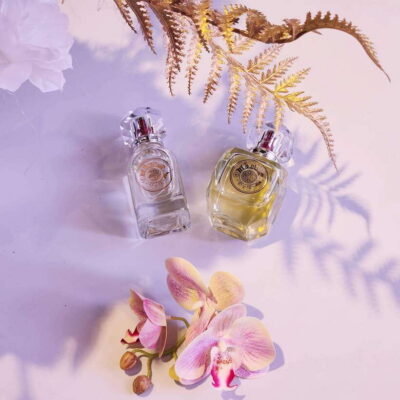
★ 5.0 · 20 reviews - Singapore: Scent Crafting Workshop with Rainforest Orchids
★ 4.4 · 11 reviews
What Happens to the Fabric
The core technique is wax-resist painting. You use the tool to place hot wax on the fabric, creating boundaries or lines in the design, then paint the material. The wax plays a key role in how the final pattern appears, so each stage affects the next.
The class also offers a chance to try color blending. This is where you can make the design feel personal, rather than simply copying a pattern. You may want to keep your first design simple, especially if you are new to working with wax. A few clear shapes and colors can be more satisfying than trying to do too much in one sitting.
Materials are provided, so you do not need to bring a separate art kit. The class is designed to leave you with a completed artwork to take home. Some participants have taken home more than one finished piece, including work that Kamal Arts had helped finish, but the experience description promises your own artwork rather than a specific number or format. If the final piece matters for framing or packing, ask the instructor what you will take home before you begin.
Wisma Geylang Serai and the Neighborhood
The meeting point is Wisma Geylang Serai, at 1 Engku Aman Turn. Kamal describes the building as a cultural hub for Singapore’s Malay community, which gives the workshop a setting connected to the craft and culture you are learning about. This is not presented as a polished tourist attraction. The studio is in a local community building, and that everyday setting is part of its appeal.
The listed itinerary also names Geylang Serai New Market and Paya Lebar Square Retail. However, the activity starts and ends at Wisma Geylang Serai, and the main event is the batik class. Do not assume that you will receive a guided tour of the market or a dedicated shopping stop at Paya Lebar Square. Think of those place names as useful neighborhood context, and check the experience provider if visiting them is important to your plans.
The area can add value to your afternoon if you leave time to look around before or after class. Kamal encourages participants to explore the vicinity for a broader local cultural experience. The workshop itself is the firm commitment; how much time you spend nearby is up to you.
Finding the Classroom Without a Last-Minute Rush
The class is held inside the community center, and locating the room may not be as simple as walking straight in from the street. One participant specifically recommended arriving at least half an hour early to find the classroom. I would build that extra time into your plan, especially if you are unfamiliar with the building.
The meeting and ending point are the same, so you do not need to arrange a separate return journey after class. The location is near public transportation, and the activity is open to most participants. The maximum group size is 20, which keeps the session limited in size, though it does not guarantee one-to-one attention throughout.
The ticket is mobile, which makes it easy to keep your booking details on your phone. Confirmation is normally sent at booking; if you book within 12 hours of the start, confirmation may arrive later and depends on availability. You can cancel for a full refund up to 24 hours before the start time. After that, cancellations and changes are not accepted.
Same island, a different kind of day:
- Lion City Bike Tour of Singapore
★ 5.0 · 6,211 reviews - Singapore: Gardens by the Bay Bundle Entry Ticket
★ 4.3 · 3,726 reviews - Singapore: Big Bus Hop-On Hop-Off Tour by Open-Top Bus
★ 4.5 · 3,261 reviews - Singapore: Lion City Highlights Bike Tour
★ 4.9 · 2,010 reviews
Is $96.89 Good Value for Two Hours?
At $96.89 per person, this is not a bargain activity by the clock. Its value depends on whether you want more than a quick craft demo. The fee buys a guided, hands-on introduction, provided materials, access to a local artist, and the chance to make a personal artwork. You are also spending time in a community setting rather than simply ticking off another major sight.
The strongest value is for someone curious about batik who wants to understand the basic process by trying it. The class can also give a hot, busy sightseeing day a calmer rhythm: one participant described it as a pleasant break from the heat and regular sightseeing. That is a useful role for a two-hour indoor activity, though the room has been described as somewhat noisy at times.
If your priority is a long cultural lecture, an extensive history of batik, or a highly structured art course, this may not be the best fit. The class is focused on the basics and on making. One participant wanted more background on the craft, so ask questions if you hope to learn more about its history and place in Singapore’s art culture.
Who Will Enjoy This Workshop
I would recommend the class to curious beginners, creative couples, families or friends who want to make something together, and visitors who like meeting local artists. Several people have taken the class with a parent or partner, and the instructor’s patient style appears well suited to first attempts. You do not need to be confident at drawing to get something out of it.
It is also a good choice if you want a souvenir with a story behind it. A shop-bought object can be lovely, but your own batik piece carries the memory of learning the wax and paint process. Just keep expectations sensible: this is a basic two-hour introduction, not a promise that you will master the craft in one session.
People who want a quiet room, step-by-step explanation without needing to ask, or a detailed cultural talk may want to clarify those expectations before booking. The venue has been described as noisy by one participant, and the instruction may feel light if you prefer a highly formal lesson. The group cap of 20 still leaves room for a lively class, not necessarily a private one.
Should You Book the Batik Class?
Book it if you want a hands-on cultural activity, enjoy learning by doing, and like the idea of taking home art you made yourself. Kamal’s patient teaching and the class’s local setting are the strongest reasons to choose it. Arrive early, ask for guidance at each stage, and leave a little time to explore the Geylang Serai area.
Skip it if you are looking mainly for a detailed history lesson, a full-day art course, or guaranteed quiet and one-to-one instruction. For the right person, though, this is a memorable way to spend two hours in Singapore: you learn a traditional technique, meet a local artist, and leave with a souvenir that is unmistakably yours.
FAQ
How long is the batik painting class?
The experience lasts approximately two hours.
Where does the class meet?
It meets at Wisma Geylang Serai, 1 Engku Aman Turn, Singapore 408528.
Where does the activity end?
It ends back at the meeting point, Wisma Geylang Serai.
Who teaches the workshop?
The class is led by a local artist. Kamal is named in participant accounts as the instructor.
What will I do during the class?
You will learn the basics of applying hot wax to fabric with a traditional tool, then paint your design and work with color.
Do I take home an artwork?
Yes. The experience includes your own completed artwork as a souvenir.
Are sessions available every day?
Yes. Sessions are available daily, with at least two times offered each day.
How many people can join?
The maximum group size is 20 participants.
Can I cancel for a refund?
You can cancel for a full refund if you do so at least 24 hours before the experience starts. Cancellations or changes made less than 24 hours before the start time are not accepted.
Just added around Singapore
- Singapore Changi Airport Arrival Transfer★ 5.0 · 13 reviews
- Singapore Changi Airport (SIN) to Singapore – Arrival Private Transfer★ 5.0 · 6 reviews
- Singapore City Bike Tour★ 5.0 · 14 reviews
- Singapore Airport: Shared Arrival or Departure Car Transfer★ 3.5 · 3 reviews
- Singapore Private & Personalized Half-Day Tour with a Local Guide★ 5.0 · 18 reviews
- Skip the Line: Singapore Cable Car Sky Pass (Round-Trip)★ 4.0 · 11 reviews
- Secrets of Singapore Kick Scooter Tour with Dinner★ 5.0 · 11 reviews
- Private Customized Walking Tour with English Tour Guide★ 5.0 · 5 reviews
Singapore Art Workshops, compared.


Scentopia – 100ml Scent crafting with Rainforest orchids
Read our review →
Browse the lists this tour appears in