
Review · SINGAPORE HERITAGE TOURS
Singapore: Peranakan Culture, Cuisine & Hidden Treasures
Katong and Joo Chiat tell Singapore’s Peranakan story through pastel shophouses, family traditions, and food. This 150-minute guided walk pairs the famous homes on Koon Seng Road with a visit to a private museum inside an original Peranakan house.
I like that you get both an architectural walk and a close look at objects such as kebaya, kerosang, and beaded shoes. I also like the tea session at Kim Choo Kueh Chang, a family business serving rice dumplings since 1945, which gives the cultural history a welcome taste.
The main caution is value: at $113 per person, the tour is not a cheap way to get a neighborhood introduction, and the food portion may feel small if you expect a full meal. A recent participant also found the pace slow and objected to a modern-art shop stop that was not part of the advertised plan.
- Koon Seng Road’s 1920s shophouses offer a memorable first look at the neighborhood’s Peranakan architecture.
- A private home museum brings daily material culture into view, including kebaya, kerosang, and beaded shoes.
- Katong and Joo Chiat’s changing story links the sea turtle, wealthy residents, Peranakan families, and today’s cafes.
- Kim Choo Kueh Chang serves as the food stop, with Nyonya snacks and a Peranakan-themed tea session.
- The tour lasts 150 minutes and includes a fair amount of walking, with a minimum of four participants.
Koon Seng Road: Colorful Homes, Not a Museum Street
The walk begins outside Cold Storage at 291 Joo Chiat Road, then heads to Koon Seng Road. Its pastel shophouses date from the 1920s and are among the area’s best-known buildings. Their decorative fronts make an immediate impression, and the guide can help you read them as more than a photogenic backdrop.
These houses were once home to a diverse community, including Peranakan Chinese families. That context matters: the street is not simply a row of pretty facades but a trace of how people lived and how the neighborhood grew. The tour sets aside about 30 minutes here, enough time for a guided introduction and photos, though not a long architectural study.
Bring a camera, but leave room to listen. Koon Seng Road attracts an international audience, and you may find that getting a clear shot takes patience. The guide’s explanation is what gives the buildings a local frame, so try not to let the photo stop become the whole visit.
Inside a Private Peranakan Home
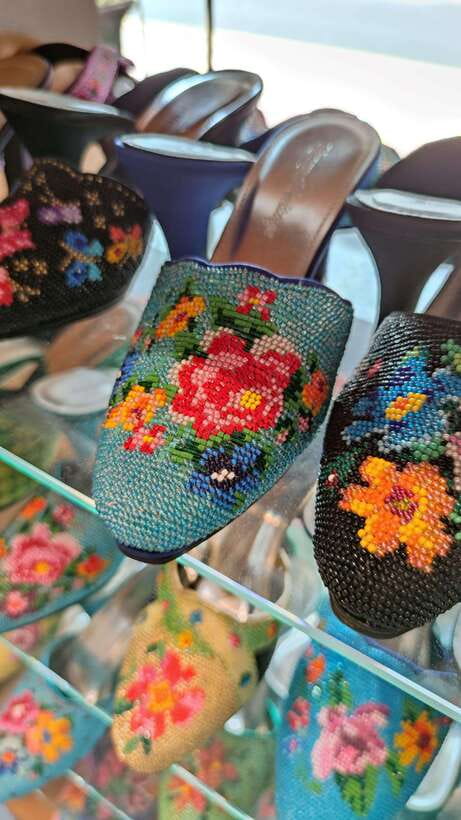
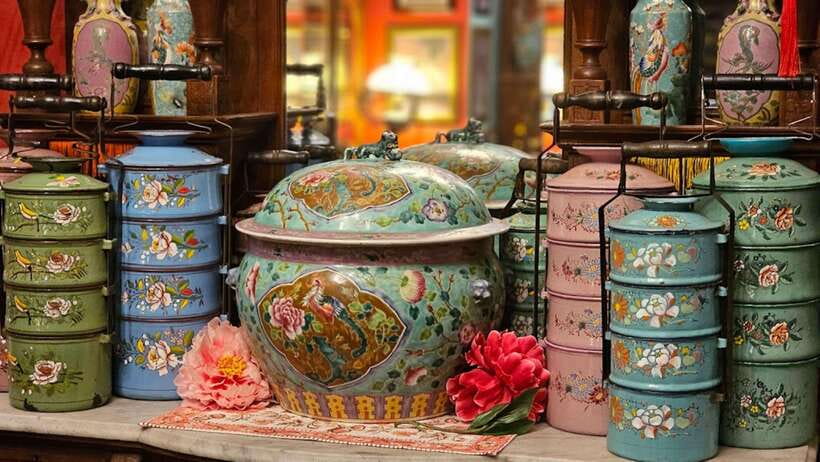
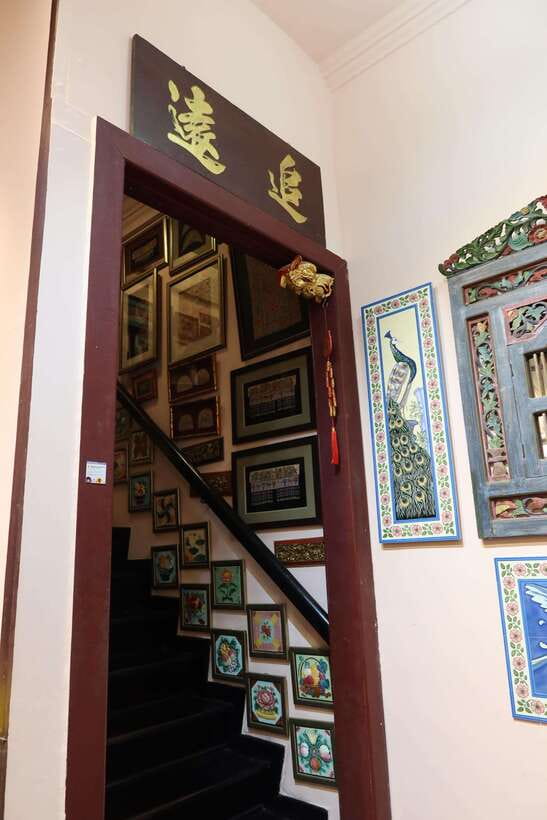
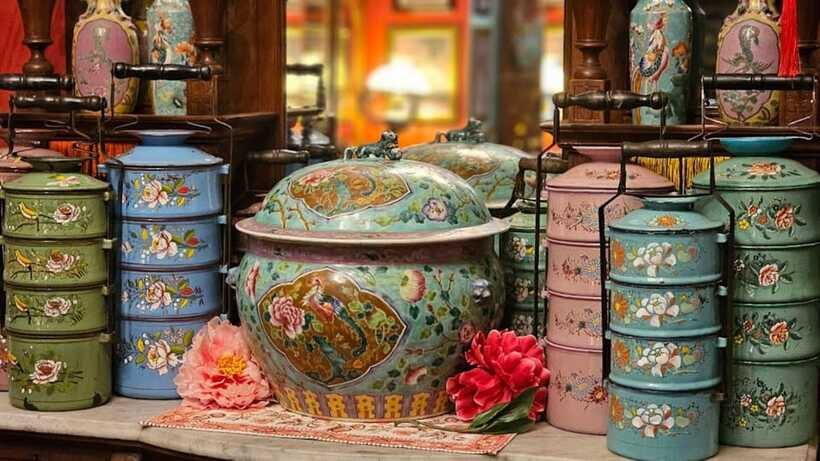
The next major stop is a private Peranakan museum, an original home that has been turned into a small collection. You get a closer look at the material side of Peranakan culture, including kebaya clothing, kerosang brooches, and beaded shoes.
This is a useful counterpoint to the street walk. Outside, you see the neighborhood’s public face; inside, objects offer a way to discuss dress, craft, and household life. The visit is listed as a 45-minute guided stop, which gives the guide time to explain what you are looking at rather than simply ushering you through a display.
A private home museum can feel more personal than a large institution, but it also means the experience depends on the explanation and the objects on view. If you are especially interested in Peranakan history, ask questions as you go. The tour’s value is in connecting the items to the people and customs behind them, not just naming what is in a case.
More heritage tours around Singapore:
- Historical Singapore Bike Tour on Full-Sized Bicycles
★ 5.0 · 1,421 reviews - Nightout at Colonial Charms of the City
★ 3.5 · 733 reviews - Singapore: Historical Half-Day Bike Tour
★ 4.8 · 399 reviews
Walking Katong and Joo Chiat’s Changing Story
The guided stroll through the Katong-Joo Chiat area gives the tour a broader frame. You hear how Katong’s name is associated with the sea turtle, how the area became a place for wealthy residents and Peranakan families, and how it changed after the war.
That evolution helps make sense of what you see now: historical shophouses alongside hipster cafes and newer businesses. The neighborhood is not frozen in one era. Its appeal comes partly from the way old buildings and present-day life share the same streets.
This portion is listed at about 30 minutes on Joo Chiat Road. The walk is a good chance to ask how the different parts of the story fit together, especially if you have seen Peranakan architecture elsewhere in Singapore. You should expect a neighborhood introduction rather than a lengthy specialist lecture on every building.
The tour’s pacing deserves attention. One recent participant felt the guide moved slowly and that a visit to a modern-art shop took time away from the advertised focus. That stop is not part of the stated route, so it may not happen on your departure, but the experience can depend on how the guide uses the allotted time. If you want a tightly timed walk, ask at the start how the stops will be handled.
A recent tour was led by Stefan, whose running commentary covered cultural and historical details. An audio earpiece was useful for following his explanations. Guide assignments can change, but clear narration matters here: the streets are part of the lesson, and a good explanation helps you notice more than the painted facades.
Tea, Nyonya Snacks, and a Taste of Kim Choo
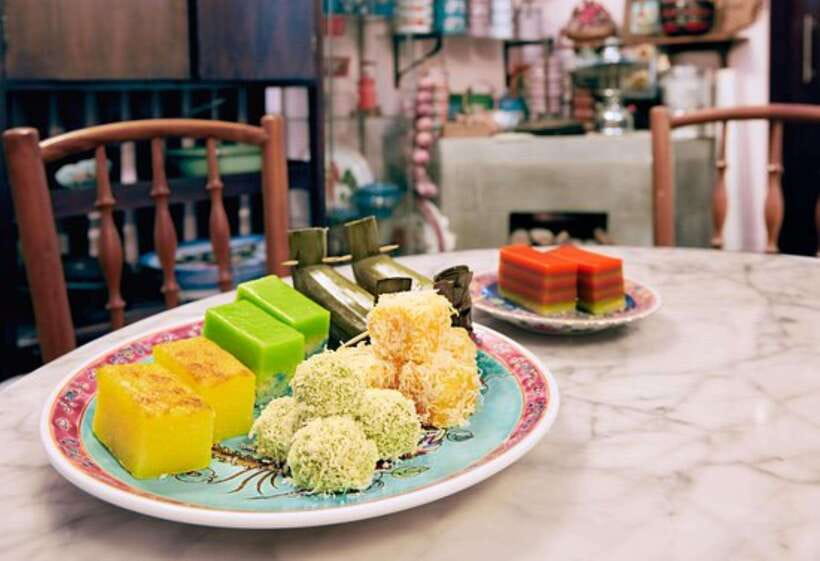
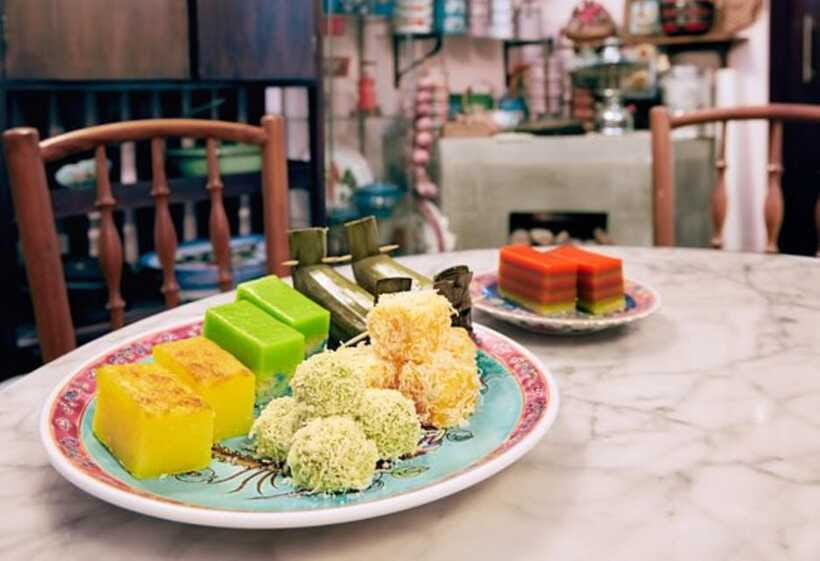
The final 45 minutes are set aside for food at Singapore Visitor Centre @ Kim Choo Kueh Chang, with the tour ending at i12 Katong. Kim Choo Kueh Chang has served chewy rice dumplings since 1945, and the stop connects a long-running local food business to the Peranakan food traditions discussed during the walk.
You sample Nyonya snacks over a Peranakan-themed tea session. Think of this as a tasting, not lunch. One participant found the serving limited to three small snacks, so if you arrive hungry, plan to eat before or after the tour rather than relying on this as a meal.
The food is part of the cultural explanation, not an all-you-can-eat stop. Peranakan cuisine reflects Malay-Chinese influences, and the guide also introduces laksa, a spicy coconut broth that illustrates that fusion. The description promises an introduction to laksa, so do not assume it is included as a full serving.
Kim Choo also has batik fabrics for sale. If you want a more lasting souvenir, you can browse them, but shopping is optional and should not replace the snack session. The food stop is a practical finish: you leave with a taste of the area’s traditions and a chance to look around before reaching the tour’s endpoint.
What $113 Buys You
At $113 per person, this is a fairly specialized neighborhood tour, not a low-cost way to simply see the shophouses. The fee includes a live English-speaking guide, the private museum entry, and the tea session with Nyonya snack samples. It does not include hotel pickup or drop-off.
The best value comes if you want the cultural connections: why the district matters to Peranakan families, what the clothing and accessories mean, and how the food draws on Malay-Chinese traditions. If your main goal is to photograph Koon Seng Road, you can see the street without paying for a guided experience. The tour earns its price only if you want the commentary, museum access, and tasting together.
The duration is 150 minutes, or two and a half hours, with the listed stops adding up to the full tour. That is enough time to move through several different parts of the neighborhood, but the pace and use of time matter. A slow walk or an unexpected detour may make the outing feel longer than its substance warrants, particularly if you are expecting a dense museum visit or a generous meal.
There is a minimum of four participants, so the tour only runs once that threshold is met. It is offered in English and is suitable for all ages, but it is not suitable for wheelchair users. Wear comfortable shoes, bring water, and pack a hat and sunscreen for hot weather. The walk is substantial enough that footwear matters more than dressing up for the photos.
You can cancel up to 24 hours in advance for a full refund, and a reserve-now, pay-later option is available. Check the available start times before planning the rest of your day around it.
Same island, a different kind of day:
- Lion City Bike Tour of Singapore
★ 5.0 · 6,211 reviews - Singapore: Gardens by the Bay Bundle Entry Ticket
★ 4.3 · 3,726 reviews - Singapore: Big Bus Hop-On Hop-Off Tour by Open-Top Bus
★ 4.5 · 3,261 reviews - Singapore: Lion City Highlights Bike Tour
★ 4.9 · 2,010 reviews
Who Should Book This Walk
I would choose this tour if you want more than a quick look at Koon Seng Road and are curious about how Peranakan culture appears in buildings, clothing, and food. The private museum and guided neighborhood context are the strongest reasons to book. The tea and snack session adds a pleasant, though modest, food element.
It is a weaker fit if you want a food tour with several substantial tastings, a brisk itinerary, or a bargain-priced architecture walk. At this price, your expectations should center on guided cultural interpretation, not meal quantity. If you mainly want snacks, you may prefer to visit a local food stop on your own; if you want the stories behind the neighborhood, the guide and museum make this a fuller introduction.
Before booking, decide what matters most to you: the houses, the museum, or the food. The tour covers all three, but none is treated as a long standalone visit. If you are happy with a compact overview and a small tasting, it can be a worthwhile way to understand Katong and Joo Chiat. If you need a full meal or a tightly controlled schedule, make other plans.
FAQ
How long is the tour?
It lasts 150 minutes, or two and a half hours.
Where does the tour start and finish?
It starts outside Cold Storage at 291 Joo Chiat Road and finishes at i12 Katong.
What is included in the price?
The tour includes a guided walk in Katong and Joo Chiat, entry to a private Peranakan museum, and a Peranakan-themed tea session with Nyonya snack samples.
Is a full meal included?
No full meal is specified. The included food is a tea session with samples of Nyonya snacks.
What language is the tour in?
The live guide speaks English.
Is the tour suitable for wheelchair users?
No. The tour is not suitable for wheelchair users, and comfortable walking shoes are recommended.
Just added around Singapore
- Singapore Changi Airport (SIN) to Singapore – Arrival Private Transfer★ 5.0 · 6 reviews
- Singapore City Bike Tour★ 5.0 · 14 reviews
- Singapore Changi Airport Arrival Transfer★ 5.0 · 13 reviews
- Singapore Airport: Shared Arrival or Departure Car Transfer★ 3.5 · 3 reviews
- Singapore Private & Personalized Half-Day Tour with a Local Guide★ 5.0 · 18 reviews
- Skip the Line: Singapore Cable Car Sky Pass (Round-Trip)★ 4.0 · 11 reviews
- Secrets of Singapore Kick Scooter Tour with Dinner★ 5.0 · 11 reviews
- Private Customized Walking Tour with English Tour Guide★ 5.0 · 5 reviews
Singapore Heritage Tours, compared.
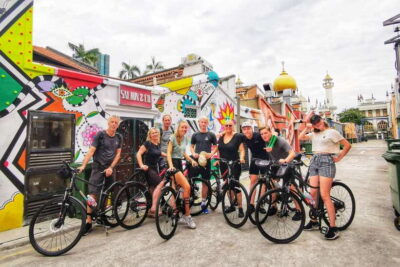
Historical Singapore Bike Tour on Full-Sized Bicycles
Read our review →
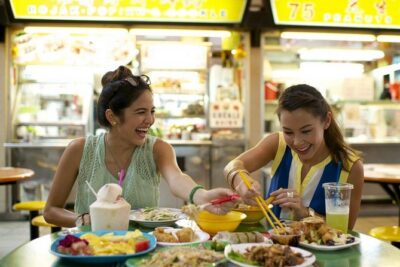
Singapore Private Food, Culture and Heritage Tour with 9 tastings
Read our review →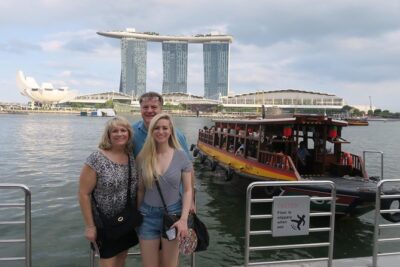
Singapore Group History & Culture Walking Tour
Read our review →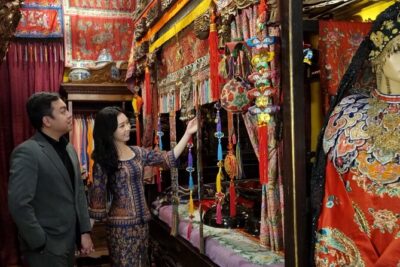
The Peranakan Mansion – Experience Singapore’s Unique Culture
Read our review →
Splendour of Colonial Singapore Walking Tour with Lunch
Read our review →
Browse the lists this tour appears in